
body {
font-family: -apple-system, BlinkMacSystemFont, “Segoe UI”, Roboto, Oxygen,
Ubuntu, Cantarell, “Open Sans”, “Helvetica Neue”, sans-serif;
color: #222;
line-height: 1.65;
max-width: 900px;
margin: 2rem auto 3rem;
padding: 0 1rem;
background: #fff;
}
h1.chi {
font-size: 2.8rem;
font-weight: 700;
margin-bottom: 1rem;
color: #0b3d91;
border-bottom: 3px solid #0b3d91;
padding-bottom: 0.4rem;
}
h2 {
color: #0b3d91;
padding-top: 2rem;
margin-bottom: 1rem;
border-bottom: 2px solid #ddd;
padding-bottom: 0.35rem;
font-weight: 600;
}
h3 {
color: #0b3d91;
margin-top: 1.75rem;
font-weight: 600;
}
p {
margin: 1rem 0 1.2rem 0;
font-size: 1rem;
}
ul {
margin: 0.75rem 0 1.25rem 1.5rem;
color: #333;
}
ul ul {
margin-top: 0.4rem;
margin-bottom: 0.8rem;
}
strong {
color: #0b3d91;
font-weight: 600;
}
table {
border-collapse: collapse;
width: 100%;
margin: 1rem 0 1.75rem 0;
box-shadow: 0 1px 6px rgba(0,0,0,0.1);
}
th, td {
border: 1px solid #ccc;
text-align: left;
padding: 0.55rem 0.85rem;
font-size: 0.95rem;
}
th {
background-color: #f0f7ff;
color: #0b3d91;
font-weight: 600;
}
blockquote.key-insight {
background: #e5f1fb;
border-left: 5px solid #0b3d91;
margin: 1.5rem 0 2rem 0;
padding: 1rem 1.25rem;
font-style: italic;
color: #0b3d91;
font-weight: 600;
}
blockquote.practical-tip {
background: #fff3cd;
border-left: 5px solid #ffbd2f;
margin: 1.5rem 0 2rem 0;
padding: 1rem 1.25rem;
font-style: italic;
color: #856404;
font-weight: 600;
}
blockquote.efficiency-matters {
background: #d9f0d9;
border-left: 5px solid #2d8a2d;
margin: 1.5rem 0 2rem 0;
padding: 1rem 1.25rem;
font-style: italic;
color: #2d662d;
font-weight: 600;
}
em.note {
display: block;
margin: 1rem 0 2rem 0;
font-size: 0.95rem;
color: #5a5a5a;
}
strong.bottom-line {
display: block;
margin-top: 1.5rem;
font-weight: 700;
font-size: 1rem;
color: #0b3d91;
}
.final-thought {
margin-top: 3rem;
padding: 1.7rem 1.4rem;
background: #f0f7ff;
border-left: 6px solid #0b3d91;
font-weight: 600;
font-size: 1.1rem;
line-height: 1.55;
}
LNG/LPG: The Expert Learning Guide to Operations, Logistics, Contracts, and Risk
Liquefied Natural Gas (LNG) and Liquefied Petroleum Gas (LPG) play a pivotal role in the global energy landscape, delivering dependable fuel solutions across industries, nations, and households. Gaining in-depth knowledge of their operations, logistics, contracts, and risk management is crucial—not just for precision, but also to maintain profitable and safe energy supply chains in today’s complex and environmentally conscious world.
This expert guide breaks down the essential differences, processes, and challenges in managing LNG and LPG, empowering professionals to confidently navigate this dynamic sector.
Why LNG and LPG Are Vital in Today’s Energy System
Energy demand and supply usually span different regions, often separated by vast distances and geopolitical hurdles. LNG and LPG bridge these divides by transporting gaseous fuels in liquid form, overcoming pipeline limitations and infrastructure gaps.
- LNG liquefies methane for international transport, ensuring energy security for gas-importing countries. After shipping, LNG is regasified and fed into pipeline networks supporting power generation, industry, and heating.
- LPG, predominantly propane and butane, is portable and versatile, commonly used for cooking, heating, industrial processes, and as alternative transport fuel. Its adaptability to cylinders and smaller tanks reaches regions without pipelines, especially in emerging markets.
Global trade data reflects their strategic importance: LNG trade surpasses 400 million tonnes annually, underscoring its role in global energy security, while LPG fuels clean cooking initiatives and rural energy access, showcasing its socio-economic impact.
LNG and LPG extend the reach of natural gas energy, each targeting distinct yet complementary markets. Mastery of their supply chains is essential for delivering stable and efficient energy worldwide.
Key Differences Between LNG and LPG: Composition, Handling, and Use
While both are liquefied gases, LNG and LPG differ markedly in makeup, storage, and applications.
| Aspect | LNG | LPG |
|---|---|---|
| Primary Component | Methane | Propane & Butane |
| Storage Conditions | Cryogenic (-162°C) | Pressurized or refrigerated at ambient temperature |
| Main Applications | Power generation, industrial fuel, city gas | Cooking, heating, petrochemical feedstock, transport fuel |
| Transport Methods | Specialized LNG carriers, then pipelines after regasification | Pressurized or refrigerated carriers, trucks, cylinders |
| Safety Concerns | Cryogenic burns, boil-off gas management | Pressure control, vapor cloud hazards |
Why This Matters
Understanding these distinctions enables professionals to tailor operations, safety protocols, and commercial strategies specific to each gas’s unique requirements.
The LNG/LPG Value Chain: From Extraction to Consumption
Recognizing LNG and LPG’s place across the energy value chain reveals their supply system’s complexity and interconnectedness.
- Upstream: Natural gas extraction, purification, and LPG separation during refining.
- Midstream: Liquefaction plants (for LNG), cryogenic or pressurized storage, and shipment in dedicated vessels. LPG uses pressurized or refrigerated storage with distribution via ships, trucks, rail, or cylinders.
- Downstream: LNG is regasified for pipeline distribution to large consumers, while LPG is often delivered directly in cylinders or bulk, providing flexible access where pipelines are absent.
Accurate coordination at each stage balances supply and demand, mitigates risks, and optimizes asset utilization.
Terminal Operations: The Heart of LNG and LPG Logistics
Terminals act as crucial hubs where infrastructure meets commercial execution, ensuring smooth cargo flow and safety.
LNG Terminals
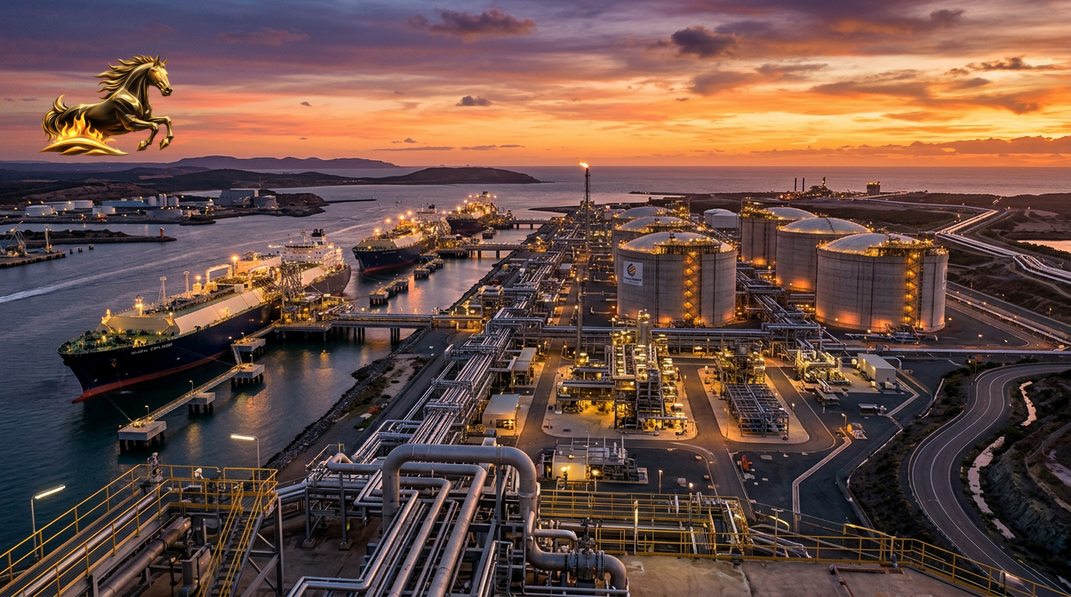
Import terminals receive LNG carriers, offload into cryogenic tanks, manage boil-off gas, and regasify product for pipeline delivery. Export terminals liquefy gas and load vessels.
LPG Terminals
Handle pressurized storage, blending, odorization, and bottling. They support multimodal transport and crucially manage vapor pressure and safety.
Terminal throughput influences costs such as demurrage and penalties. Employing advanced control systems and real-time scheduling optimizes performance and reduces delays.
Bottom Line: Terminal management is an ongoing, active process essential for balancing production, shipping, and demand within narrow operational windows.
Regasification: Converting LNG Back to Gas
Regasification transforms LNG into pipeline-quality gas, a critical step as most end-users require gaseous fuel.
Common technologies include:
- Open Rack Vaporizers (ORVs): Use seawater heat but require compliance with environmental permits.
- Submerged Combustion Vaporizers (SCVs): Use combustion heat; reliable but produce emissions.
- Ambient Air and Intermediate Fluid Vaporizers: Chosen based on climate and terminal specifics.
Operators must adapt to ambient conditions and environmental rules, leveraging advanced controls for safety and efficiency.
Key Point
Regasification demands engineering precision alongside environmental and operational considerations to ensure reliable supply.
Storage Infrastructure: The Foundation of Flexibility and Safety
Storage smooths supply chain fluctuations related to shipping schedules, demand variations, and operational hiccups.
LNG Storage
Cryogenic tanks keep LNG at ultra-low temperatures, requiring vigilance over boil-off gas, pressure, and structural integrity.
LPG Storage
Pressurized or refrigerated tanks demand strict vapor pressure control to prevent overpressure and ensure safety.
Strategic Advantage
Well-managed storage enables price arbitrage, flexible scheduling, and emergency responsiveness.
Shipping Windows and Vessel Compatibility: Logistics in Motion
Marine operations dictate the timing and cost-efficiency of LNG and LPG supply chains.
- Shipping Windows: Defined loading and unloading periods minimize vessel wait times and associated demurrage charges.
- Compatibility: Vessel and terminal specifications must align—size, equipment, and safety features—to avoid costly operational disruptions.
Knowing vessel types, like Moss-type LNG carriers versus pressurized LPG vessels, is essential for seamless operations.
Note: Effective coordination here underpins profitability and continuity.
Take-or-Pay Contracts: Securing Revenues and Managing Risks
Take-or-pay clauses guarantee minimum payments to sellers, underpinning capital-intensive projects’ financial stability.
Risks include:
- Buyers potentially paying for unused volumes if demand dips.
- Sellers facing penalties if supply disruptions occur.
Robust demand forecasting and contract management—linking legal, commercial, and operations teams—are critical to mitigating these risks.
Pressure and Temperature Handling: Prioritizing Safety
Liquefaction imposes extreme thermal and pressure conditions that require stringent safety measures.
- LNG Safety: Guards against cryogenic burns, vapor clouds, and material stresses.
- LPG Safety: Focuses on preventing overpressure, BLEVE (boiling liquid expanding vapor explosions), and vapor cloud risks.
Safety systems include pressure relief valves, emergency shutdowns, gas detection, and thorough operator training, all aligned with standards such as NFPA 59A and IMO rules.
Navigating Regulatory Compliance and Licensing
Every LNG and LPG import involves navigating complex, varying regulations.
Common requirements cover import permits, customs clearance, environmental approvals, gas quality certifications, and sanctions compliance.
Proactive regulatory coordination before shipments prevents costly operational delays.
Building Practical LNG/LPG Expertise
Developing expertise requires integrating technical knowledge with commercial savvy and risk management.
Critical focus areas:
- Terminal operations and throughput optimization
- Regasification control and monitoring
- Cryogenic and pressure storage management
- Vessel compatibility and shipping schedules
- Commercial contract risk analysis
- Calibration of pressure and temperature instrumentation
- Regulatory compliance and licensing procedures
Hands-on simulations, modeling, and case study analysis strengthen proficiency.
Integrating It All: Effective Professional Workflows
Robust LNG/LPG workflows harmonize data, personnel, and decisions.
- Leverage demand forecasts and storage data to plan shipments precisely.
- Coordinate multidisciplinary teams across operations, logistics, commercial, legal, compliance, maintenance, and finance.
- Conduct regular reviews to identify risks like capacity bottlenecks or permit gaps.
Consistent communication and foresight reduce risks and unlock operational value.
Real-World Lessons: Essential Case Studies
- Europe’s LNG Response Post-2022: Floating Storage and Regasification Units (FSRUs) enabled quick supply shock mitigation.
- Gulf of Mexico’s Storm Preparedness: Contingency plans minimized disruptions.
- Emerging Markets LPG Expansion: Cylinder management and safety investments are paramount.
- Asian LNG Price Fluctuations: Portfolio diversity and contract flexibility mitigate volatility.
These cases highlight the necessity of resilience, strategic insight, and integrated management.
Managing Risks and Upholding Ethics
LNG/LPG professionals must proactively address:
- Legal risks: Compliance adherence and contract enforcement.
- Financial risks: Market volatility and penalty exposure.
- Operational risks: Equipment integrity and human performance.
- Safety and environmental risks: Accident prevention and ecological stewardship.
- Reputation risks: Transparency and stakeholder trust maintenance.
A robust safety culture and ethical conduct form the backbone of sustainable operations.
Essential Documents and Terminology
Key documents include terminal manuals, commercial contracts, safety data sheets, and regulatory compliance certificates. Mastering terms like boil-off gas, demurrage, regasification, FSRUs, and BLEVE enhances professional fluency.
Ongoing Learning and Development
Recommended resources:
- Foundational books on gas processing and LNG/LPG technologies
- Industry standards from GIIGNL, SIGTTO, IMO, and NFPA
- Online courses covering technical, operational, and commercial domains
Following a structured 30-day plan focusing on fundamentals, practical exercises, case analyses, and integrated workflow development accelerates competence.
Success in LNG and LPG hinges on seeing the entire system rather than siloed functions. Synchronizing terminal operations, shipping, storage, contracts, compliance, and risk management builds reliability and trust—the industry’s most valued assets.
Balancing technical excellence with commercial insight and rigorous risk discipline empowers professionals to thrive amid the evolving global gas market. Those who master this holistic approach will lead the way to safer, more efficient, and sustainable LNG and LPG operations worldwide.
