
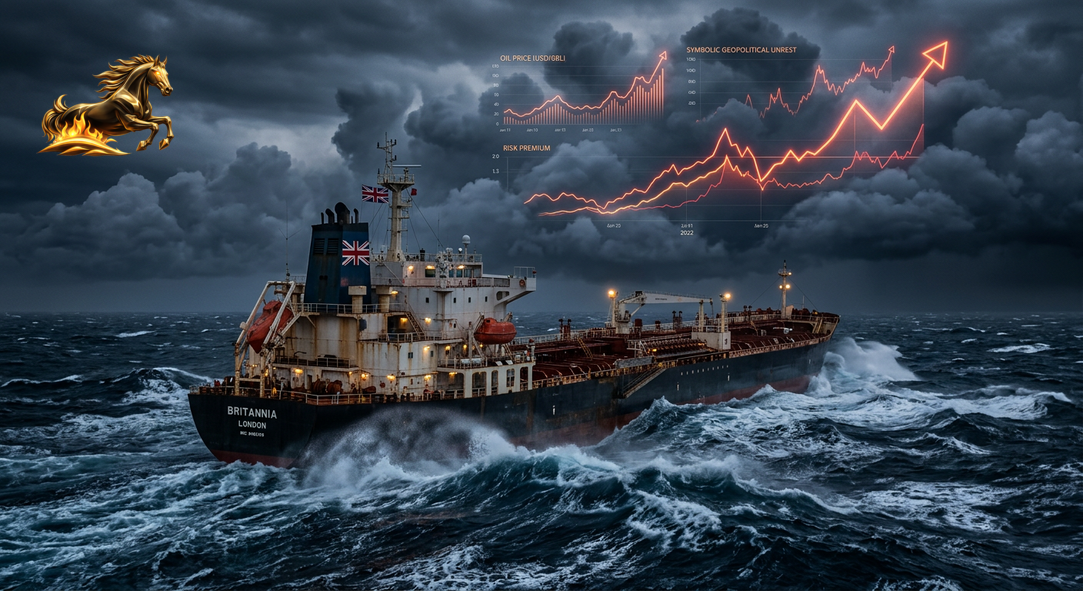
UK Imports Defy Global Turmoil — Here’s Why
UK Imports Defy Global Turmoil — Here’s Why It Matters to Oil Prices
Global oil markets can feel like they’re always one headline away from disruption. Whether it’s tanker incidents near vital sea routes, rising tensions in the Middle East, new sanctions, or producer warnings, traders quickly reassess risks. Brent crude prices react, fuel wholesalers recalibrate, and the pressing question arises: will energy costs rise again?
Amid this volatility, UK imports consistently show remarkable resilience. Supply ships dock, pipelines stay active, and refiners secure product. This steady flow may offer comfort, but it does not mean the UK is insulated from global oil price shocks.
The key insight: UK import volumes can stay steady even as global oil prices spike. Though the UK sources crude, gas, and refined products from multiple countries, it cannot escape the global pricing system dominating energy markets.
Simply put, steady import volumes don’t equal stable prices.
This matters for households, businesses, policymakers, and investors. When geopolitical upheaval adds a “risk premium” to oil, it impacts fuel stations, freight costs, manufacturing budgets, air travel, food prices, and overall economic confidence.
Let’s delve into why UK imports remain rock-solid amid turmoil—and why that doesn’t mean the country avoids oil price swings.
Oil Prices Are Truly Global, Even When Imports Are Local
Oil is one of the world’s most heavily traded commodities. Whether it’s from the North Sea, the U.S., Saudi Arabia, or Brazil, a barrel’s price is set by global supply and demand.
So the UK doesn’t need direct imports from conflict zones to feel price impact. Suspected disruptions anywhere push benchmark prices upward everywhere.
The UK’s tie to global energy markets is clear:
- Importing crude oil, petroleum products, natural gas, and LNG.
- Domestic production, mostly declining North Sea output.
- Fuel prices linked to international crude and product benchmarks.
- Brent crude—a North Sea-based price marker—guiding global valuations.
- Energy-dependent sectors like road freight, shipping, aviation, and manufacturing.
According to the UK Department for Energy Security and Net Zero, shrinking domestic output means greater import reliance—and increased exposure to international price swings.
“Import security ensures supply arrives; price security ensures the cost stays manageable.”
The UK can have reliable imports but still face expensive oil.
Why Global Unrest Quickly Pushes Oil Prices Up
Oil prices don’t just reflect current supply—they reflect perceptions of future risk.
When geopolitical tensions rise, questions swirl:
- Could tanker routes face delays or attacks?
- Will major producers cut output?
- Are sanctions limiting barrels available?
- Will insurance costs surge?
- Might shipping become costlier or less accessible?
- Could energy infrastructure be damaged?
- Will governments start stockpiling fuel?
Such risks push buyers to pay a risk premium—extra cost reflecting uncertainty before actual shortages hit. Futures markets ramp up prices based on these worries.
That’s why oil prices jump on geopolitical headlines even if UK import volumes hold steady.
The Strait of Hormuz: Critical Chokepoint, Global Consequences
No discussion on oil risk omits the Strait of Hormuz: the narrow passage between Iran and Oman connecting the Persian Gulf to the Indian Ocean. Around 20% of global petroleum transits here.
The U.S. Energy Information Administration calls Hormuz the world’s most vital oil chokepoint. Any threat there sends shockwaves globally.
When Hormuz shipments slow or stop, buyers scramble for alternatives—from West Africa to the Americas to the North Sea—driving prices higher everywhere.
So, when you hear, “the UK imports little from the Middle East,” remember:
Oil is priced globally; disruption anywhere drives up prices everywhere.
Why UK Imports Stay Strong Despite Global Disruptions
Given oil’s sensitivity, why do UK import volumes often hold?
1. Diverse Supply Sources
The UK imports from multiple countries and routes. Norway’s pipelines deliver gas; LNG arrives from the U.S., Qatar, and elsewhere; oil and refined products come from various hubs depending on cost and availability.
This diversity provides flexibility when one route or source faces risk or price hikes.
2. Domestic Production Adds Buffer
North Sea output has declined but still supplements supply and reduces full import dependence. However, it doesn’t shield prices since local production sells at global market rates.
3. Seaborne Trade Flexibility
Oil cargoes can be rerouted, stored, exchanged, and blended flexibly. This adaptability helps maintain import volumes during turmoil.
4. Inventories Cushion Short-Term Shocks
Strategic and commercial stockpiles buffer temporary interruptions, giving markets time to adjust before physical shortages impact availability.
5. Demand Responds to Price
Higher prices usually lower demand—drivers cut trips, businesses optimize usage, airlines adjust flights. This reduces pressure on imports.
Still, these factors support supply resilience—they don’t prevent price hikes.
Stable Import Volumes Don’t Mean Stable Oil Prices
Here’s the core: the UK can keep importing oil steadily—yet pay much more.
Oil prices reflect supply availability and market risk.
Imagine two contrasting worlds:
Calm Waters
- Open tanker routes
- Steady producers
- Normal insurance
- No sanctions shocks
- Predictable OPEC+ policies
Prices mirror steady supply and demand.
Stormy Seas
- Conflict threatening shipping lanes
- Fear of disruption
- Rising insurance costs
- Buyers bidding for alternatives
- Uncertain production
Risk premiums push prices higher—even if actual supply stays constant.
Price swings and import resilience coexist.
Brent Crude’s Vital Role for the UK
Brent crude, sourced from the North Sea, serves as a global oil pricing benchmark. It influences wholesale fuel costs, refinery economics, inflation trends, business energy expenses, and investor sentiment.
As one of the world’s most cited prices, Brent matters deeply to UK households and businesses—price moves matter even if physical supplies remain steady.
Beyond Crude: The Crucial Role of Refined Products
The UK depends heavily on refined fuels like petrol, diesel, and jet fuel—each with unique markets.
Regional refining limits or demand changes can push these fuel prices independently of crude supply.
For example:
- Diesel prices rise when European refining tightens.
- Jet fuel costs climb as aviation recovers.
- Seasonal petrol demand variations affect prices.
- Shipping disruptions alter refined product flows.
This complexity means oil market turmoil hits the UK economy through multiple pricing channels.
How Rising Oil Prices Affect UK Consumers
Oil price shocks ripple through daily life via:
- Crude prices rising
- Wholesale fuel costs increasing
- Pump prices climbing
- Transport and logistics expenses growing
- Businesses passing costs to consumers
- Inflation mounting
- Consumers adjusting spending and travel
Oil price volatility influences many household expenses beyond just filling the tank.
Why UK Businesses Must Track Oil Price Volatility
Resilient imports are reassuring—but cost risks persist.
Logistics, aviation, construction, manufacturing, agriculture, and retail sectors all feel fuel price pressure on margins.
Smart businesses should:
- Assess fuel exposure
- Hedge prices where possible
- Boost operational efficiency
- Monitor freight and insurance markets
- Communicate cost impacts transparently
Navigating ongoing volatility is crucial for survival and growth.
Policymakers’ Challenge: Balancing Availability, Affordability, and Sustainability
Energy security isn’t just about supply—it includes prices and environmental goals.
The UK’s strong import system ensures fuel arrives but can’t fully shield from price shocks.
Policies must juggle:
- Strategic reserves and diverse imports
- Tax adjustments and consumer/business support
- Investing in energy efficiency and clean tech
- Developing domestic resources while honoring climate targets
No silver bullet exists; integrated strategy is key to managing risk.
Recent Lessons: Brexit, Russia, and Shipping Disruptions
Recent upheavals underscore trade and geopolitical fragility:
- Brexit highlighted supply chain resilience needs.
- Russia’s Ukraine invasion reshaped markets despite direct exposure differences.
- Red Sea attacks exposed how chokepoints affect global trade and energy costs.
Diversification and adaptability help—but don’t erase exposure to global shocks.
Supplier Switching Helps But Does Not Create Price Independence
The UK’s supplier flexibility reduces supply risk but not cost risk:
- Alternatives often cost more
- Longer shipping routes add freight and insurance expenses
- Refineries optimize for specific crude types
- Contract terms create logistics and timing constraints
- Global benchmarks still dictate prices
Diversification improves security but doesn’t break global price links.
Hidden Cost Drivers Beyond Crude Prices
Geopolitical risk also hikes:
- War-risk insurance premiums
- Tanker charter costs
- Port delays
- Financing and currency expenses
- Refining and storage fees
These elevate delivered fuel prices, even if shipments continue.
Currency’s Role: The Pound and Oil Prices
Oil trades in US dollars; a weaker pound raises sterling oil costs, compounding price shocks.
Currency fluctuations add a layer of complexity to UK energy price management.
Understanding the Oil Price “Risk Premium”
The risk premium is market pricing of disruption risk, shifting with geopolitical developments.
It can spike with rising tension or drop quickly if risks ease.
For the UK, this means price swings reflect not just supply but expectations about future stability.
Oil Prices’ Impact on Inflation
Oil prices hit inflation directly through energy costs and indirectly through supply chains.
Central banks watch closely as sustained price rises influence wage demands and price-setting, challenging monetary policy.
What Drives UK Pump Prices?
Fuel prices reflect:
- Crude oil costs
- Refining margins
- Wholesale market conditions
- Distribution and retail expenses
- Taxes and VAT
- Exchange rates
Crude price remains key, but these factors shape what consumers pay.
Diesel’s price especially impacts freight and wider economic costs.
Energy Security vs. Independence
Energy security means reliable, affordable access—whether domestic or imported.
Energy independence means meeting all needs from domestic production.
The UK isn’t fully independent but strengthens security through supplier diversification, infrastructure, and clean energy investment.
The Long Game: Reducing Oil Dependence
Lowering oil use is the best defense against price shocks.
This requires:
- Expanding electric vehicles and public transport
- Boosting energy efficiency
- Encouraging cleaner industrial methods
- Developing sustainable fuels
- Growing renewables and a flexible grid
Less oil reliance means greater economic resilience and climate progress.
What to Watch: Signals for Investors and Analysts
Key UK oil market indicators include:
- Brent crude prices
- Futures market trends
- Strategic shipping chokepoints
- OPEC+ production rules
- U.S. shale output
- Asian demand shifts
- UK import and trade data
- Refining margins
- Sterling-dollar exchange rates
- Inventory levels
Monitoring these offers deeper insight beyond headlines.
The Simple Framework: Volume, Price, and Risk
To grasp UK oil imports and pricing, consider:
- Volume: Is supply arriving?
- Price: What’s the cost of that supply?
- Risk: What uncertainties loom for future supply and price?
The UK may have volume resilience but remains exposed to price and risk swings.
What This Means for Households
Even steady imports can’t prevent global turmoil from boosting:
- Pump prices
- Delivery and shipping costs
- Airfares
- Retail price increases
- Business cost pass-throughs
Oil price volatility remains a major factor shaping household budgets.
What This Means for UK Businesses
Business leaders should expect oil price shocks as ongoing risks by:
- Evaluating fuel cost exposure
- Exploring hedging strategies
- Increasing efficiency
- Keeping pace with market changes
- Communicating openly on cost impacts
Proactive risk management safeguards competitiveness.
Policymakers’ Path Forward
Energy security policies must focus on:
- Reliable supplies from diverse sources
- Support for vulnerable consumers
- Transition to low-carbon systems
- Infrastructure and storage investments
The aim: reduce vulnerability to global fossil-fuel markets, not total isolation.
The Bottom Line: Resilient Supply—but Vulnerable Prices
The UK’s infrastructure, supplier diversity, domestic production, and trade flexibility sustain oil imports amid global turmoil.
Yet these strengths don’t shield the UK from the global oil price, shaped by geopolitics, risk premiums, and market sentiment.
Physical supply resilience and price vulnerability coexist.
Understanding this is vital for household budgeting, business strategy, and policymaking.
Key Takeaways:
- UK import volumes often stay steady despite global turmoil.
- Stable supply doesn’t guarantee stable prices.
- Oil pricing is global; disruptions anywhere affect prices everywhere.
- The Strait of Hormuz remains a critical global chokepoint.
- UK benefits from diverse suppliers, domestic production, and flexible trading.
- Rising oil prices impact fuel costs, freight, inflation, and business margins.
- Reducing oil dependence boosts long-term economic resilience.
While UK imports defy supply shocks, global oil pricing realities profoundly affect everyone—from consumers to policymakers.
