
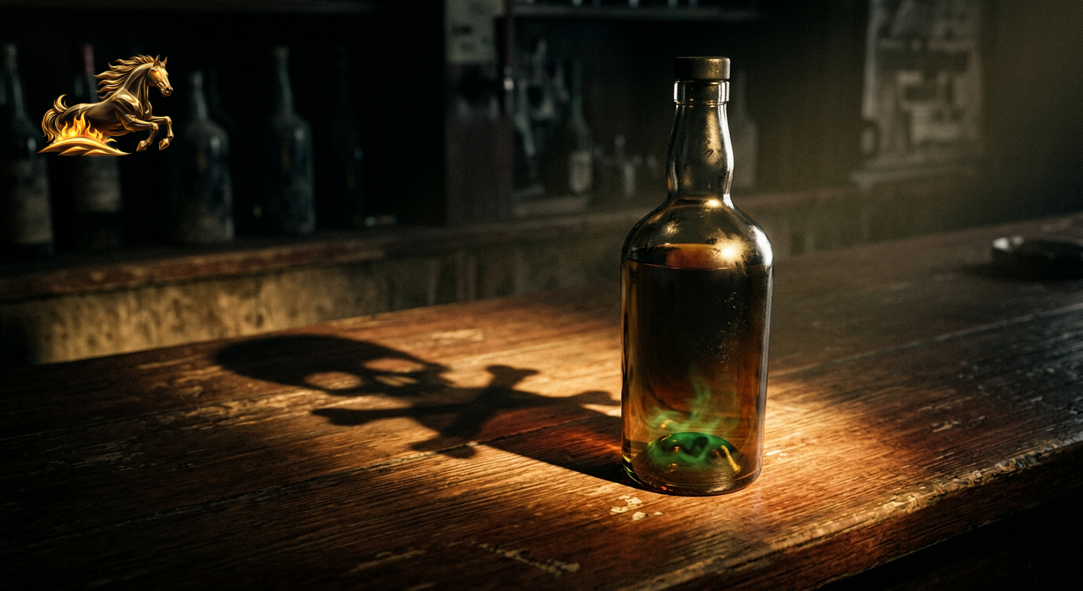
The Unseen Side of the Black Market Alcohol
Would you sip a glass of alcohol if you knew it came from the black market? Most would hesitate—or outright refuse. Yet the grim truth is black market alcohol often disguises itself flawlessly: familiar brands, branded bottles, enticing online listings, or “special offers” that seem impossible to resist.
This hidden danger is what makes black market alcohol so perilous.
It’s not just about lost tax revenue or fake labels. Black market alcohol is a shadow economy putting public health at stake, undermining honest businesses, challenging law enforcement, and exposing everyday consumers to life-threatening risks. These dangers aren’t always visible. Sometimes they cost far more than money: poisoning, blindness, organ failure, even death.
According to the World Health Organization’s 2024 Global Status Report on Alcohol and Health, alcohol contributed to around 2.6 million deaths worldwide in 2019. That figure includes both legal and unrecorded alcohol use, showing just how widespread alcohol-related harm is. When alcohol circulates outside legal channels, the risks multiply—and become far harder to track or control.
This article pulls back the curtain on black market alcohol: what it actually is, why it thrives, how it reaches you, and what you can do to stay safe.
What Is Black Market Alcohol?
Black market alcohol means any alcoholic drink made, distributed, or sold outside the law and regulation. It dodges taxes, skips safety checks, infringes trademarks, or comes from unsafe, unsanitary production.
Simply put, it runs in the shadows.
This trade includes:
- Counterfeit alcohol: Fake versions of popular brands, designed to fool you.
- Smuggled alcohol: Real products moved illegally across borders to avoid taxes.
- Illicitly produced spirits: Unlicensed, unchecked alcohol made in unsafe conditions.
- Refilled bottles: Genuine branded bottles refilled with cheaper—or toxic—liquids.
- Surrogate alcohol: Non-drinkable alcohol like industrial or medicinal types consumed as drinks.
- Untaxed informal alcohol: Local homemade alcohol sold outside official channels.
Not all homebrews are dangerous. But risks soar when production lacks oversight, ingredients are unknown, and products are sold commercially without regulation—especially when criminals intentionally adulterate or fake products for profit.
The key problem isn’t price or origin—it’s verifiability:
- What’s really inside that bottle?
- Who made it, and how?
- Was it produced safely?
- Was it stored properly?
- Was it sold legally?
- Does the label tell you the truth?
When answers aren’t clear, risk rises fast.
Why Black Market Alcohol Exists
The black market thrives because alcohol is profitable, portable, and always in demand.
Where demand exists, opportunity follows. High taxes, strict rules, poverty, corruption, or shortages open doors to illegal trade.
1. High Taxes Encourage Smuggling
Taxes fund public services and curb harmful drinking, but big price gaps between countries create smuggling incentives.
A bottle costly in one place due to taxes could be cheap somewhere else. Criminals exploit this by transporting alcohol illegally, misdeclaring shipments, or counterfeiting locally.
Legal sellers pay taxes; illegal ones skip them, gaining a price edge that undercuts honest businesses.
2. Consumers Want Affordable Choices
Money is tight for many, making cheaper options tempting.
When a familiar brand bottle costs 30%, 50%, or even 70% less, that’s appealing—especially if packaging looks authentic.
But deep discounts should prompt questions:
- Why so cheap?
- Where’s it from?
- Is the seller licensed?
- Is the packaging genuine?
- Has the bottle been opened or refilled?
- Is the tax stamp or QR code real?
Cheap doesn’t always mean illegal. Promotions and duty-free exist. But unknown source + deep discount = caution.
3. Counterfeiting Gets More Sophisticated
Counterfeiters now replicate every detail: labels, seals, holograms, QR codes—even reuse original bottles.
You might see:
- Trusted brand names
- Realistic labels
- Authentic caps and bottle shapes
- Official-looking QR codes
But the liquid inside? Could be toxic or unregulated.
Consumers trust what they see. A convincing bottle builds false security—until it’s too late.
4. Online Selling Makes Access Easy
Social media and e-commerce expanded illegal alcohol’s reach. Sellers use livestreams, private groups, informal deliveries, and marketplaces.
Watch out for phrases like:
- “Factory-direct”
- “Private stock”
- “Imported without markup”
- “Special channel”
- “Duty-free source”
- “No invoice, cheaper price”
- “Limited supply”
Some offers may be legitimate, but many hide illicit activity behind slick online facades.
5. Weak Enforcement and Corruption Help the Trade
Beyond street sellers, networks involve corrupt officials, smugglers, warehouse operators, and dishonest retailers.
Where enforcement is weak or officials are compromised, illegal alcohol flows more freely—even through seemingly lawful channels.
This isn’t just a personal choice issue—it demands strong laws, policing, customs controls, health oversight, and business accountability.
The Hidden Health Risks
The worst thing about black market alcohol? You often can’t see the danger.
It might look normal, smell like real alcohol, be served in a well-kept bar or poured from a branded bottle. But if manufactured illicitly or tampered with, it carries profound risks.
Methanol: The Deadliest Threat
Methanol is industrial alcohol used in solvents, antifreeze, and fuel—and it’s poison to humans.
The World Health Organization has warned repeatedly about methanol poisonings tied to illicit alcohol. Symptoms include:
- Nausea and vomiting
- Severe stomach pain
- Dizziness and confusion
- Trouble breathing
- Metabolic acidosis
- Permanent blindness
- Coma
- Death
Symptoms may take hours to appear, delaying treatment. Methanol first causes mild intoxication, but then metabolizes into compounds that destroy nerves and organs.
Too often, by the time victims get help, serious harm has occurred.
Real-Life Tragedies
- Iran: During COVID-19, false claims about alcohol’s protection led to hundreds of deaths from methanol poisoning.
- India: Multiple “hooch” outbreaks caused mass poisonings and fatalities across states.
These aren’t rare blips—they’re stark warnings.
Other Toxins and Unsafe Practices
Black market booze may also include:
- Industrial solvents
- Cleaning agents
- Fake colorings and flavorings
- Excess fermentation toxins
- Bacteria from dirty equipment
- Heavy metals from poor distillation
Legal producers must meet strict quality rules—unregulated makers don’t.
You Can’t Taste or Smell Safety
Dangerous alcohol sometimes tastes harsh or chemical, but often is masked by flavors or mixers.
A counterfeit-looking bottle at a party may raise no alarms.
“It tasted normal” is not proof of safety.
The Crime Behind the Bottle
Black market alcohol fuels crime.
Every illegal bottle may link to organized crime networks, counterfeiters, smugglers, corrupt officials, and money launderers.
Organized Crime and Money Laundering
Illegal alcohol pulls criminals with:
- High profits
- Steady demand
- Mixed legal-illegal supply chains
- Lower perceived risk than drugs or weapons
- Cash-based sales
- Cross-border smuggling advantages
Counterfeit alcohol money may fund bigger criminal activities, hidden behind fake companies and complex laundering.
For criminals, illegal alcohol is a goldmine in a bottle.
Corruption and Supply Chain Risks
Fake invoices, mislabeled shipments, reused bottles, counterfeit tax stamps, bribed inspectors, and grey market resellers help illegal alcohol slip into legitimate business.
Each weak link threatens consumer safety.
Human Costs Beyond the Product
Workers in informal sectors face exploitation and pressure.
Communities lose to corruption, lose legitimate businesses, and suffer unsafe environments.
The toll goes beyond health or money—it’s social.
Economic Damage: Who Pays the Price?
The black market doesn’t just hurt consumers.
Legal Businesses Lose Out
Licensed producers invest heavily—quality controls, safe equipment, taxes, staff, brand protection.
Licensed venues pay rent, wages, licenses, taxes.
Illegal sellers dodge these costs, undercutting honest competitors and eroding trust industry-wide.
Governments Lose Tax Revenue
Alcohol taxes fund health, education, public safety, infrastructure.
Illegal sales shrink tax income but increase social expenses: hospital stays, police work, public campaigns.
Consumers Pay Hidden Costs
Even those avoiding illicit alcohol pay more, indirectly:
- Higher healthcare demand
- Reduced public services
- Bigger enforcement budgets
- Lower trust in markets and venues
Black market alcohol damages society’s fabric.
How Black Market Alcohol Gets to You
Far from some dark back alley, illegal alcohol often appears in everyday settings.
Fake Branded Bottles Everywhere
Counterfeiters bank on brand trust. Fake whisky, vodka, tequila, rum, or wine show up in:
- Informal shops
- Small restaurants
- Nightclubs
- Private parties
- Online marketplaces
Packaging can be deceptively authentic—sometimes empty genuine bottles are reused.
Watch for:
- Spelling errors
- Poor print quality
- Crooked or peeling labels
- Broken seals
- Cloudy liquid
- Odd smells
- Missing tax stamps
- Suspiciously low prices
Yet none alone guarantees safety.
Refilled Bottles in Bars and Clubs
Authentic bottles refilled with cheap or toxic liquids happen behind the bar.
Customers ordering by the glass rarely see the bottle close-up.
Cheap “House Specials”
Unusually cheap drinks without clear origins are risky.
Signs:
- Unlabeled bottles
- Staff unable to name brands
- No receipts
- Chemical taste
- Customers reporting illness
Online Sales
Online platforms mask illegal sales with slick appearances.
Beware:
- Unrealistic prices
- Private messaging only
- No business licenses
- Refusal to give receipts
- Confusing or inconsistent packaging photos
- Hidden shipping sources
Tourists Are Vulnerable
Visitors unfamiliar with local brands and prices may be especially at risk.
Extra caution and research pay off.
Young People and Social Drinkers Are at Risk, Too
Risk isn’t just for heavy drinkers.
Young adults, students, tourists, casual social drinkers buy on price or convenience—often in fast-moving, distracted social scenes.
Drinking quickly, sharing drinks, mixing cocktails, or dim lighting can hide warning signs.
Understanding these patterns helps target prevention.
Packaging: The Power of a Label
Packaging builds trust—and counterfeiters exploit that.
Fake labels, reused bottles, fake seals, holograms, tax stamps, batch numbers, and QR codes redirecting to fake sites all fool consumers.
Only verified systems and licensed sellers guarantee safety.
What You Can Check
- Buy from reputable licensed retailers only
- Compare prices to normal market rates
- Inspect seals and caps carefully
- Look for professional labels without errors
- Verify tax stamps, batch codes, and QR codes
- Check liquid clarity
- Always ask for receipts
No method is 100% foolproof, but combined vigilance cuts risk.
Business Responsibilities to Protect Consumers
Businesses have a major duty: one unsafe product can cause harm—and destroy trust.
Recommended Steps
- Source from licensed distributors only
- Keep thorough supplier records
- Train staff to spot suspicious stock
- Secure storage areas
- Monitor inventory closely
- Avoid cash-only, undocumented suppliers
- Reject deliveries without documentation
- Inspect packaging carefully
- Report counterfeit suspicions promptly
- Maintain recall systems
Transparency safeguards reputation and health.
Warning Signs for Business Owners
Be wary of suppliers who:
- Offer prices well below market
- Refuse paperwork
- Pressure for quick cash
- Lack verifiable info
- Supply inconsistent packaging
- Use vague sourcing
- Avoid official channels
When unsure, prioritize safety over low cost.
Public Health Challenges: Why Detecting Illegal Alcohol Is Hard
Illegal alcohol hides from formal tracking, making measurement and control tough.
Outbreaks spread fast before authorities catch on. Delayed symptoms complicate linking illness to products.
How Authorities Can Respond
- Stronger licensing and inspections
- Rigorous border controls
- Product verification tech
- Public awareness campaigns
- Rapid toxicology testing
- Hospital case reporting
- Cracking down on fake packaging
- Partnering with producers and platforms
- Consumer reporting hotlines
- Tough penalties for offenders
Education remains key to lowering demand for unsafe drinks.
History’s Lessons: Prohibition’s Price
The 1920–1933 U.S. Prohibition shows that banning alcohol drives underground markets.
During that time, tainted alcohol caused about 1,000 deaths per year—a grim example of unregulated supply’s dangers.
Regulation, not prohibition, best protects public health.
Cheap Doesn’t Always Mean Unsafe
Low price alone doesn’t signal illegality or danger.
Affordable legal options exist through local production, promotions, or economy brands.
The real red flag is unclear origin combined with deeply discounted price.
How to Choose Safer Budget Drinks
- Buy from licensed sellers only
- Pick legal budget brands
- Check for valid tax stamps or verification
- Avoid sellers who refuse receipts or offer unlabeled products
- Drink responsibly; skip suspiciously cheap offers
Safety depends on transparency, not price.
What to Do If You Suspect Fake or Contaminated Alcohol
Act fast if you suspect danger.
Warning Signs After Drinking
Seek urgent medical help for:
- Severe vomiting
- Confusion or dizziness
- Difficulty breathing
- Blurred or lost vision
- Intense headache
- Chest pain
- Seizures or unconsciousness
Methanol poisoning is life-threatening. Early treatment saves lives.
Consumer Steps
- Stop drinking suspect alcohol immediately
- Save the bottle if safe
- Note purchase details
- Photograph labels, seals, receipts
- Report to health or law enforcement authorities
- Alert others who might be at risk
Don’t confront sellers directly. Prioritize official help.
Responsible Communication About Black Market Alcohol
Clear, calm messaging works best.
A simple public message might:
- Ask: “Would you drink this if you knew it was black market?”
- Define black market alcohol briefly
- Highlight risks: health, crime, economic harm
- Explain how it reaches consumers
- Offer practical safety tips: buy reputable, avoid deep discounts, check packaging, report concerns
On muted social platforms, clear subtitles improve engagement.
The goal: informed caution—not fear.
Practical Checklist: How to Reduce Your Risk
Before buying:
- Is the seller licensed and trustworthy?
- Is the price market-appropriate?
- Is the seal intact?
- Does the label look professional with no errors?
- Are tax stamps, batch codes, QR codes valid?
- Can you get a proper receipt?
- Is the product sourced officially?
In bars or restaurants:
- Are bottles clearly visible and labelled?
- Can staff identify the brand?
- Are prices reasonable?
- Is the venue licensed?
- Are customers complaining of taste issues or sickness?
- Are drinks poured from unmarked containers?
Online:
- Avoid sellers who only message privately
- Beware ultra-low prices
- Check business license info
- Use official retailers or brand stores
- Avoid sellers refusing receipts or hiding product origins
The Bigger Picture: Black Market Alcohol Is About Trust
At its core, black market alcohol shatters trust:
- Consumers trust labels and venues
- Businesses trust their suppliers
- Governments trust tax systems
- Communities trust product safety
Illegal alcohol exploits this trust—hiding in familiar bottles, social spots, and “can’t-miss” deals.
Education empowers consumers. Vigilance by businesses and authorities deters counterfeiters.
Together, these steps shrink risk and make alcohol safer for everyone.
Key Takeaways
- Black market alcohol means counterfeit, smuggled, illicitly made, refilled, or untaxed products.
- Methanol contamination is a deadly health threat causing blindness and death.
- Counterfeit products often look authentic, fooling consumers.
- Illegal alcohol fuels crime, corruption, and money laundering.
- Legal businesses lose revenue; governments lose tax; society bears healthcare and enforcement costs.
- Consumers face highest risk from suspiciously cheap, untraceable, or unlabeled products.
- Buying from reputable, licensed sellers remains the best safeguard.
Final Thoughts: Choose Safety, Not Blind Faith
Black market alcohol hides behind trusted bottles, social scenes, online offers, and nightlife buzz.
But safety hinges on knowing what’s inside—and where it came from.
Consumers alone can’t end illegal alcohol trade—but informed choices protect individual health.
Next time an offer seems too good or a bottle too cheap, pause and ask: Is the gamble worth your health?
Know the risks. Always choose safety first.
