
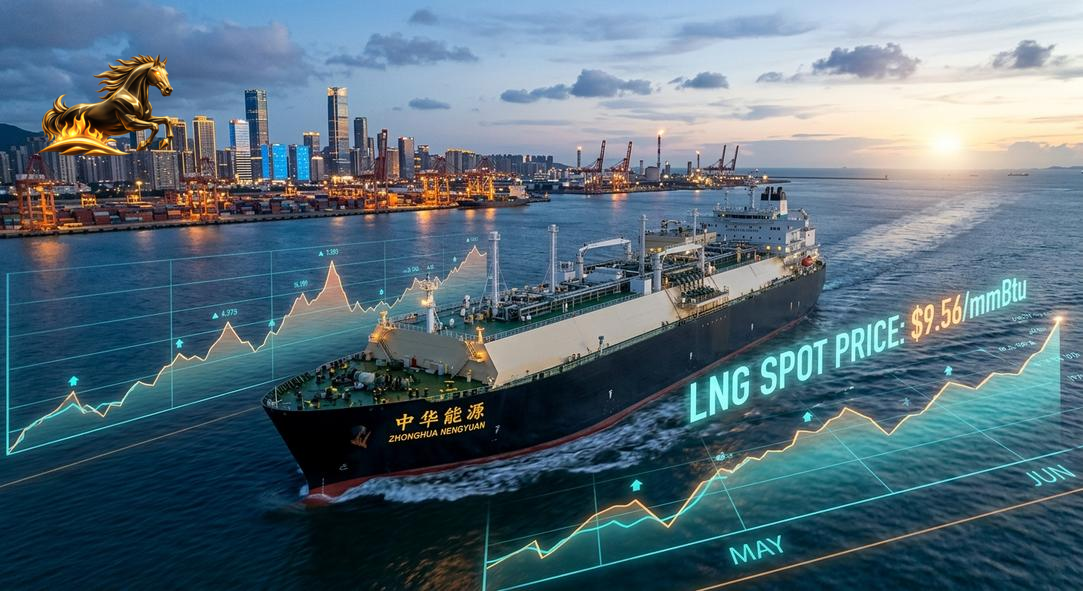
China Demand Is Now Driving Global LNG Prices Toward $9: What It Means for Energy Markets
China is once again at the heart of the global liquefied natural gas (LNG) market, with its growing demand increasingly shaping LNG prices worldwide. After a lull caused by slower industrial activity, surplus inventories, and uneven growth, Chinese LNG imports are bouncing back. This rebound is already pushing Asian spot LNG prices toward $9 per million British thermal units (MMBtu). For energy market players worldwide, understanding this shift is crucial.
How China Is Shaping LNG Prices Globally
China is one of the biggest and most strategic LNG buyers on the planet. LNG’s seaborne nature means cargoes can be flexibly redirected based on shifting demand and prices. When China boosts its LNG imports, it changes the global supply-demand landscape—impacting cargo flows and prices far beyond its own borders.
China’s LNG demand depends on many factors, including:
- Industrial production
- Electricity generation
- Seasonal weather variations
- Domestic gas output
- Pipeline imports
- Coal and renewable energy availability
- Government air quality and energy security policies
- Affordability influenced by spot LNG prices
Because of this complex mix, even modest changes in China’s LNG buying can echo globally, affecting markets from Japan and South Korea to India and Europe.
Why the $9/MMBtu Price Matters
The $9/MMBtu level in Asian spot LNG pricing is more than just a number—it represents a balance point in the market. Unlike the 2022 price spikes, $9 is a sustainable price that reflects tighter supply-demand conditions without pushing buyers away.
This price point influences key energy decisions:
- Fuel switching: Industries weigh gas versus coal or oil based on prices near $9.
- Power generation: Gas plants compete with coal and carbon costs around this level.
- Purchasing behavior: Buyers may speed up or hold back LNG purchases at this threshold.
- Storage strategies: Utilities decide whether to build inventories anticipating further price moves.
- Investment outlook: Developers assess projects based on steady revenue potential near $9.
In essence, $9/MMBtu sets a crucial benchmark for evaluating demand and future price trends.
China’s Demand Rebound and Its Ripple Effects
During recent years of high LNG prices, China limited its spot market purchases, favoring coal, pipeline gas, or contracted LNG, easing global supply pressure. Now, with Chinese demand recovering, more LNG cargoes are heading to Asia.
This shift leads to:
- Higher spot prices as cargo flows are redirected to China.
- Increased competition and costs for other Asian and European buyers.
- Bullish market sentiment amid tighter supply conditions.
China has moved from a passive participant to a major force driving global LNG prices.
LNG Supply Outlook: Growth with Risks
New LNG supply from the US, Qatar, and other projects is set to ease volatility by boosting availability. Yet, risks remain—from technical glitches and maintenance to geopolitical tensions and shipping limits.
Seasonal demand swings, especially in Asia and Europe, can tighten markets further. When Chinese demand peaks align with European restocking, prices can surge rapidly.
While supply growth helps, price spikes remain a real possibility.
Asia’s Role as the Epicenter of LNG Demand Growth
Asia continues to lead LNG demand increases, with China at the helm given its size and energy needs. Other nations like Japan, South Korea, and India also drive demand, though with differing price sensitivities.
China’s LNG consumption spans urban heating, industry, power, and transport, propelled by policies aiming to cut pollution and encourage cleaner energy. Though coal remains dominant, China’s expanding gas demand carries major global market implications.
This heightened demand fuels regional cargo competition, influencing global price dynamics.
How LNG Cargo Flows Respond to China’s Demand
LNG cargoes are directed to the highest-paying markets. When China ramps up imports:
- Asian spot prices climb to pull in cargoes.
- Flexible shipments divert to Chinese ports.
- Competitors bid aggressively in Asia to secure LNG.
- European buyers raise offers to retain supplies.
- Shipping rates increase due to vessel demand.
- Overall market sentiment turns optimistic.
China’s buying patterns thus ripple through global LNG supply chains and pricing.
Europe’s Restocking Adds to Market Tightness
Europe’s drive to rebuild gas storage post-Russian supply cuts competes directly with Asia for flexible LNG cargoes. This simultaneous demand intensifies global competition, pushing prices higher.
The timing of Chinese imports relative to European storage refills is a key factor in LNG market tightness.
Weather’s Vital but Unpredictable Impact
Weather shapes short-term LNG demand sharply. In China, colder winters and hotter summers boost heating and cooling needs respectively—similarly in Japan, South Korea, and Europe.
Quick weather shifts can swing balances from surplus to shortage fast, making forecasts critical in market analysis.
Industrial Demand and Fuel Switching in China
Industrial consumption is a large chunk of China’s gas use, spread across chemicals, steel, manufacturing, and refining sectors. At around $9/MMBtu, gas remains attractive for many industries but may restrict others.
China’s ability to switch between coal and gas based on prices adds a dynamic layer to global LNG demand.
Domestic Production and Pipeline Imports Shape LNG Demand
China’s domestic gas and pipeline imports from Russia and Central Asia reduce its LNG needs somewhat. Still, LNG’s flexibility to serve coastal demand hubs keeps it vital.
When domestic and pipeline supplies fall short, LNG fills the gap—making China’s import decisions critical for global balance.
Spot Market’s Ongoing Importance
Though China relies heavily on long-term LNG contracts, spot prices influence marginal purchases, contract terms, and trade flows. The emerging $9/MMBtu spot price serves as a crucial signal of market mood and direction.
What $9/MMBtu Means for China and Other Asian Buyers
For China, $9 is manageable versus 2022’s extreme prices, supporting ongoing demand recovery. Yet, coal’s cost competitiveness and some industrial user sensitivities may limit LNG growth.
Other Asian consumers face tighter supply and higher costs due to China’s rising demand, potentially slowing coal-to-gas transitions and complicating their energy shifts.
Effects on Europe and LNG Exporters
Europe’s competition with Asia for LNG pushes prices up during restocking. Though Europe can moderate exposure through policies, it remains exposed to global price trends.
For LNG exporters like the US, Qatar, and Australia, $9/MMBtu provides a favorable revenue environment, encouraging investment amid ongoing market and geopolitical uncertainties.
Investors Eye China as a Market Barometer
Investors watch China’s LNG demand as a proxy for global economic health and energy flows. Tracking import data, industrial activity, and policy changes offers valuable market foresight.
Sustained Chinese demand growth can underpin long-term LNG infrastructure investments worldwide.
Lessons from 2022 and Today’s Market Sensitivity
The 2022 price shock proved simultaneous demand surges can sharply push LNG prices higher. China’s restraint then eased supply tightness. Now, with China’s demand rebounding alongside Europe’s needs, supply constraints, and volatile weather, the market is more reactive.
This heightened sensitivity keeps upside price risks significant despite better supply conditions.
Will Prices Stay Near $9 or Move Beyond?
Prices could rise above $9/MMBtu if strong demand, severe weather, and supply issues converge. Conversely, slower growth, ample stockpiles, and increased LNG output could pull prices down.
Markets should expect fluctuations around this level rather than a steady march up or down.
LNG’s Role in China’s Energy Transition
LNG supports China’s shift away from coal while improving air quality—working alongside renewables. However, concerns about carbon emissions and methane leaks mean LNG remains a transitional fuel without guaranteed long-term dominance.
China balances energy security, affordability, environmental goals, and industrial competitiveness. These factors will shape future LNG demand.
Strategic Tips for Energy Buyers and Investors
Given China’s growing role, LNG buyers should:
- Diversify supply sources to reduce spot market risks
- Boost storage to handle seasonal swings
- Use hedging strategically
- Monitor Chinese import and industrial data closely
- Ensure flexible contract terms and pricing
- Plan purchases ahead of peak demand periods
Investors should watch imports, spot prices, industrial output, policy shifts, and geopolitical trends to track China’s demand strength.
In Conclusion: China Is Now a Key Global LNG Price Driver
China’s LNG demand rebound is reshaping global energy markets. As spot prices edge toward $9/MMBtu, China’s buying patterns influence cargo flows, pricing, and market confidence worldwide. Although supply growth offers some relief, price volatility risks remain amid shifting regional demands and external factors.
For buyers, sellers, investors, and policymakers, closely monitoring China’s LNG activity is now essential. The next big move in global LNG prices will likely hinge on China’s import appetite—solidifying its role as a pivotal price influencer, not just a major consumer.
In brief: China’s LNG demand recovery is pulling global focus back to Asia and driving spot prices toward $9/MMBtu—a new market reality demanding careful attention.
