
body {
font-family: -apple-system, BlinkMacSystemFont, “Segoe UI”, Roboto, Oxygen,
Ubuntu, Cantarell, “Open Sans”, “Helvetica Neue”, sans-serif;
background: #fff;
color: #2c3e50;
line-height: 1.7;
margin: 0;
padding: 20px 25px;
max-width: 760px;
margin-left: auto;
margin-right: auto;
}
h1 {
font-weight: 900;
font-size: 2.8rem;
color: #1a1a1a;
margin-bottom: 0.3em;
border-bottom: 3px solid #e67e22;
padding-bottom: 8px;
}
h2 {
color: #d35400;
margin-top: 2em;
margin-bottom: 0.8em;
border-bottom: 2px solid #f39c12;
padding-bottom: 6px;
font-weight: 700;
}
h3 {
color: #e67e22;
margin-top: 1.6em;
margin-bottom: 0.6em;
font-weight: 600;
}
strong, b {
color: #c0392b;
}
p {
margin-bottom: 1em;
font-size: 1.1rem;
}
ul {
margin: 0 0 1.2em 1.4em;
color: #34495e;
font-size: 1.05rem;
}
li {
margin-bottom: 0.35em;
}
hr {
border: none;
border-top: 1px solid #f39c12;
margin: 2.5em 0;
}
blockquote {
margin: 1.5em 0;
font-style: italic;
color: #7f8c8d;
border-left: 4px solid #e67e22;
padding-left: 12px;
}
.highlight {
font-weight: 700;
color: #c0392b;
background-color: #fcf3e4;
padding: 0 6px;
border-radius: 3px;
}
Strait of Hormuz Reopens: Oil Prices Plunge as Iran Prepares to Flood the Market
Global oil prices shift constantly, influenced by everything from interest rates to severe weather. Yet, few factors impact crude prices as dramatically and swiftly as events in the Strait of Hormuz—the narrow but crucial waterway between Iran and Oman that serves as a critical chokepoint for the world’s oil supply.
Whenever tensions flare here, oil prices spike due to fears of supply disruption. Now, with news confirming the Strait’s reopening and Iran signaling increased crude exports, energy markets have reacted sharply—sending prices tumbling and recalibrating risk perceptions worldwide.
This pivotal moment affects traders, consumers, businesses, and investors alike. The burning question is:
With the Strait of Hormuz open and Iran poised to boost exports, who will benefit, and who could lose out?
Let’s break down what this means for the global energy landscape.
Why the Strait of Hormuz Is a Global Energy Lifeline
The Strait of Hormuz stands as one of the most important gateways in global energy security. Linking the Persian Gulf to the Gulf of Oman and beyond, it channels roughly 20% of the world’s petroleum liquids consumption—making it the most vital oil transit chokepoint worldwide, according to the U.S. Energy Information Administration.
Key oil producers like Saudi Arabia, Iraq, Kuwait, Qatar, the United Arab Emirates, and Iran heavily rely on this narrow passage. Although some pipelines skirt the strait, none fully compensate if it were blocked.
This means any threat to the Strait instantly hikes the geopolitical risk premium in oil prices, reflecting the market’s fear of interrupted supply.
What’s Happening Now: Strait Reopening Spurs Oil Price Drop
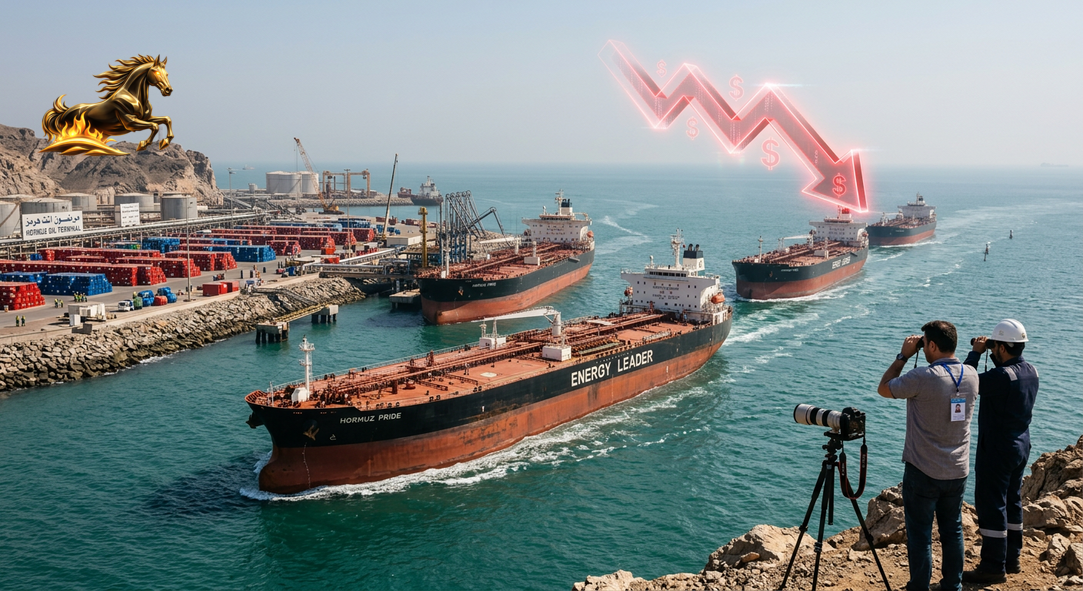
Reports that the Strait of Hormuz has reopened to commercial shipping sparked a swift and dramatic response. As covered by Rigzone, oil prices sank after a tentative U.S.-Iran deal hinted at more available crude. AP News highlighted how this eased fears of conflict-related supply shocks and triggered broader market rallies.
Brent crude slumped around $10 per barrel, falling under $90 after hovering near $100—a sharp correction reflecting the unraveling of geopolitical risk fears rather than immediate changes in supply.
Previously, traders had priced in risks such as potential tanker delays, surge in insurance costs, and military escalations threatening vital infrastructure. Now, with the strait open, these concerns diminished, showcasing how futures markets react preemptively.
Why Did Oil Prices Fall So Fast?
Oil prices move on expectations as much as reality. The reopening of Hormuz shifted market outlooks in three key ways:
- Reduced Supply Risk: With the chokepoint threat fading, the risk premium drops—pulling prices lower even before additional barrels hit markets.
- Anticipated Iranian Export Surge: Iran aims to ramp up exports as openings ease, adding fresh supply to the mix. While sanctions and capacity challenges remain, even small increases can ease pressure on tight markets.
- Boosted Investor Confidence: Lower oil prices reduce inflation pressures, helping sectors like airlines, logistics, and manufacturing that are fuel-cost sensitive, lifting overall market sentiment.
Together, these factors combined to unleash a rapid price correction.
What Does “Iran Flooding the Market” Really Mean?
“Iran flooding the market” implies a significant uptick in crude exports that puts downward pressure on prices. Iran’s economic reliance on oil revenues means it’s motivated to seize export opportunities quickly.
However, the real impact depends on:
- The pace and scale of Iran’s export increases
- Responses from OPEC+ members
- Global demand fluctuations
- Logistical hurdles and financial constraints
So, while supply growth is expected, its extent and longevity remain uncertain.
Winners and Losers from Falling Oil Prices
Price drops don’t affect everyone equally. Here’s who stands to gain—and who could feel the pain.
Winners:
- Consumers & Drivers: Lower crude often leads to cheaper gasoline and diesel, providing relief at the pump.
- Airlines: Reduced jet fuel costs improve profitability and ticket pricing flexibility.
- Shipping & Logistics: Fuel savings mean lower freight expenses, benefiting global supply chains.
- Manufacturers: Energy and transportation cost cuts enhance competitiveness.
- Inflation Watchers/Central Banks: Reduced energy inflation eases monetary policy pressures.
Losers:
- High-Cost Oil Producers: Shale, deepwater, and oil sands operations face squeezed margins.
- Oilfield Services: Drilling and exploration spending may decline.
- Energy-Exporting Nations: Governments heavily reliant on oil revenue could face fiscal strains.
- Energy Investors: Market shifts may trigger losses in energy stock portfolios.
This redistribution highlights the broad economic ripple effects of oil price volatility.
What Investors and Businesses Should Do Next
Expect sector rotations: energy stocks may weaken while transportation and consumer sectors improve. Inflation easing could make bonds and growth stocks more attractive.
Fuel-intensive businesses need to rethink cost strategies, while manufacturers and retailers might find margin opportunities. Airlines and shipping firms are positioned to benefit operationally.
Still, with geopolitical risks unresolved, constant vigilance remains essential.
What Drivers Can Expect at the Pump
Gasoline prices don’t drop instantly with crude prices. Refinery margins, taxes, and regional factors delay and dilute direct savings. Typically, sustained crude price declines are needed before drivers see meaningful relief.
Patience is key as market adjustments cascade through distribution channels.
The Road Ahead: Stability Is Critical
The current oil price relief hinges on continued peace and open shipping in the Strait of Hormuz. Any renewed conflict or sanctions risk reigniting the geopolitical risk premium, pushing prices back up.
Key signals to watch include tanker traffic, insurance rates, military moves, and diplomatic progress.
Could Oil Prices Fall Further?
Further declines are possible if:
- The Strait remains disruption-free
- Iran boosts exports significantly
- OPEC+ maintains or increases output
- Global demand softens
- Inventories build
- The U.S. dollar strengthens
- Speculative long positions unwind
Yet, coordinated OPEC+ cuts, demand resilience, and ongoing geopolitical risks may provide price support.
Conclusion: A New Phase for Oil Markets
The reopening of the Strait of Hormuz has fundamentally repriced geopolitical risks, driving crude prices lower and setting a new tone for global energy markets. Iran’s potential to flood the market with oil adds a fresh dynamic affecting producers, consumers, investors, and businesses alike.
Bottom line:
Hormuz’s reopening removes a major source of uncertainty, but the market’s next moves depend on lasting peace, continuous shipping flows, and Iran’s ability to increase supply without triggering reactive measures.
All stakeholders must stay alert to unfolding geopolitical developments and market signals to navigate this evolving landscape effectively.
