
body {
font-family: “Helvetica Neue”, Helvetica, Arial, sans-serif;
color: #333333;
line-height: 1.6;
background: #fff;
padding: 20px;
max-width: 800px;
margin: 0 auto;
}
h1 {
font-size: 2.5rem;
color: #0a47a1;
margin-bottom: 1rem;
font-weight: 700;
border-bottom: 3px solid #0a47a1;
padding-bottom: 0.25rem;
}
h2 {
color: #0a47a1;
margin-top: 2.5rem;
margin-bottom: 1rem;
font-weight: 600;
border-bottom: 2px solid #c7d9f9;
padding-bottom: 0.2rem;
}
p {
margin-bottom: 1.2rem;
}
hr {
border: none;
border-top: 1px solid #eee;
margin: 2rem 0;
}
ul {
margin-bottom: 1.5rem;
padding-left: 1.4rem;
}
li {
margin-bottom: 0.5rem;
}
strong {
color: #0a47a1;
}
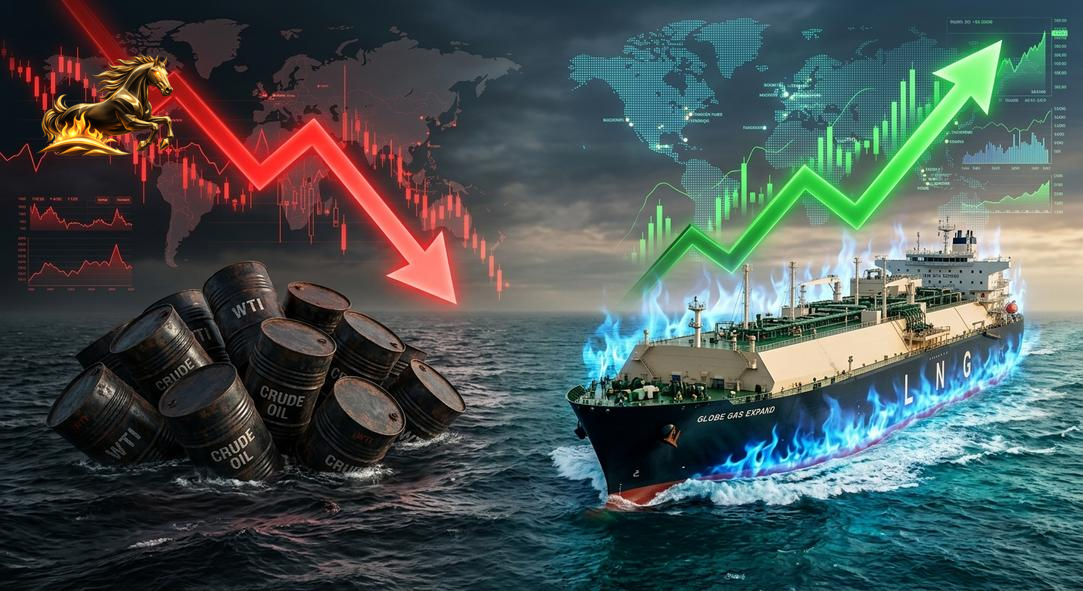
Oil Prices Plunge as LNG Exports Surge—What’s Driving These Market Moves?
The global energy landscape is in flux. While oil prices are dropping, liquefied natural gas (LNG) exports are soaring. These contrasting trends reveal important shifts in global energy markets. But why are oil and LNG moving in opposite directions, and what does this mean for investors, businesses, and consumers? Let’s break down the factors behind this split and why it matters.
Oil Prices Fall, LNG Exports Rise: A New Energy Reality
At first glance, it feels odd that oil prices are falling just as LNG exports jump. If energy demand is strong enough to push LNG higher, shouldn’t oil prices also climb? The answer is not so simple.
Today’s energy markets are increasingly fragmented and sensitive to infrastructure constraints, regional geopolitics, shipping routes, and policies. On one hand, oil faces oversupply due to steady OPEC+ production and increased output from countries like the U.S. and Brazil. On the other, LNG demand is ramping up because of energy security concerns in Europe, growing consumption in Asia, and fierce competition for flexible supplies.
Put plainly: oil markets are struggling with oversupply, while LNG markets are fueled by strategic demand and infrastructure needs.
This split shapes everything from fuel and power prices to inflation trends and the pace of the clean energy transition.
Why Are Oil Prices Dropping?
Oil prices respond to supply and demand balance. When supply outpaces demand, stockpiles grow, pricing power fades, and prices fall. Current factors pushing oil prices down include:
- High Global Supply: OPEC+ maintains strong production, while U.S. shale producers add flexibility, capping prices.
- Uncertainty Around OPEC+ Policies: Speculation about production hikes weighs on prices.
- Slower Demand Growth: China’s more efficient growth, EV adoption, fuel economy gains, and tempered industrial activity reduce oil demand growth.
- Rising Inventories: Larger crude and refined product stocks lessen buyers’ urgency.
- Strong U.S. Dollar: A robust dollar makes oil more expensive globally, damping demand.
- Uneven Refinery Margins: Fluctuations in gasoline and diesel demand affect crude runs and pricing.
These factors collectively keep oil prices under pressure amid ongoing oversupply concerns.
What’s Behind the Surge in LNG Exports?
LNG’s complex supply chain—liquefaction plants, specialized ships, and import terminals—sets it apart from oil. Shifting demand and infrastructure dynamics are driving LNG exports upward:
- Europe’s Push for Energy Security: Europe’s drive to reduce reliance on Russian pipeline gas has skyrocketed LNG demand.
- Growing Asian Consumption: Countries like Japan, South Korea, China, and India continue to boost LNG imports for electricity, industry, and heating.
- U.S. Export Capacity Expansion: The U.S. is rapidly scaling LNG export infrastructure, thanks to abundant shale gas.
- Seasonal Weather Effects: Cold winters spike heating demand, driving short-term LNG purchase surges.
- Geopolitical and Transit Risks: Strategic chokepoints add risk premiums, supporting higher LNG prices.
Simply put, LNG’s value as a flexible, strategic energy source keeps exports and prices climbing.
Why This Oil-LNG Divergence Matters
The opposing movements of oil and LNG create wide-ranging effects:
- Investors: Oil producers face margin squeeze amid oversupply. LNG exporters and infrastructure firms may benefit from rising strategic gas demand.
- Businesses: Lower oil prices ease costs for transport and petrochemical sectors, while surging LNG prices can increase bills for gas-dependent industries, especially in Europe and Asia.
- Consumers: Falling gasoline prices could offer relief at the pump, but households using gas heating or power may face ongoing price volatility.
- Policymakers: The split highlights the critical need for diversified infrastructure, strategic energy planning, and embracing LNG’s role in the energy transition.
Key Indicators to Monitor Going Forward
The energy market is still evolving. Watch these factors to stay ahead:
- OPEC+ production moves—deep cuts or increased output?
- U.S. shale drilling activity trends.
- Demand shifts in China and broader Asia.
- European gas storage levels and LNG competitiveness.
- Spot LNG prices across Asia and Europe.
- New LNG export terminal developments.
- Geopolitical tensions near major shipping routes.
- Seasonal weather impacts on demand.
Tracking these will help investors and businesses anticipate market changes.
Embracing the New Energy Reality
The drop in oil prices alongside booming LNG exports isn’t contradictory—it reflects a changing energy world. Oil battles oversupply and tepid demand growth, while LNG’s strategic importance and infrastructure underpin its surge.
The energy future won’t move in lockstep but will hinge on regional dynamics, infrastructure, and balancing affordability with security and sustainability. Understanding this oil-LNG split is essential for anyone navigating today’s evolving energy markets.
