
body {
font-family: -apple-system, BlinkMacSystemFont, “Segoe UI”, Roboto, Oxygen,
Ubuntu, Cantarell, “Open Sans”, “Helvetica Neue”, sans-serif;
color: #222;
line-height: 1.6;
padding: 20px;
max-width: 900px;
margin: auto;
background: #ffffff;
}
h1.chi {
font-size: 2.8rem;
margin-bottom: 1rem;
color: #003366;
border-bottom: 3px solid #0073e6;
padding-bottom: 0.3rem;
}
h2 {
color: #00509e;
margin-top: 2.5rem;
margin-bottom: 1rem;
border-bottom: 2px solid #0073e6;
padding-bottom: 0.25rem;
}
p {
margin-bottom: 1rem;
font-size: 1.05rem;
}
ul, ol {
margin-left: 1.5rem;
margin-bottom: 1rem;
font-size: 1.05rem;
color: #333;
}
ul li, ol li {
margin-bottom: 0.5rem;
}
strong {
color: #004080;
}
em {
font-style: italic;
}
hr {
border: none;
border-top: 2px solid #e1e1e1;
margin: 3rem 0;
}
blockquote {
border-left: 4px solid #0073e6;
margin: 1.5rem 0;
padding-left: 1rem;
color: #555;
font-style: italic;
}
@media (max-width: 600px) {
body {
padding: 15px;
}
h1.chi {
font-size: 2rem;
}
h2 {
font-size: 1.5rem;
}
}
Why New Gulf Conflicts Are Driving Gas Prices
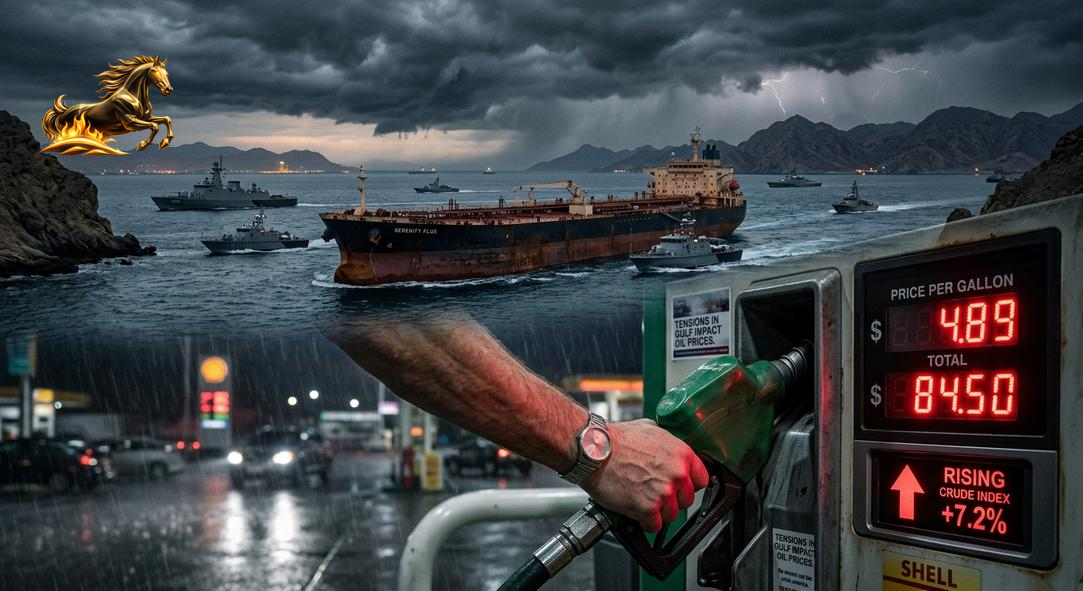
You pull into a gas station, glance at the price sign, and notice your weekly fill-up is costing more than before. Your commute hasn’t changed, your car’s running fine, and local demand isn’t up. So, what’s driving gas prices higher once more?
The answer traces back thousands of miles to renewed conflicts and instability in the Gulf region.
The Gulf isn’t just another hotspot; it’s a critical artery of the global energy supply. When tensions rise around the Persian Gulf, the Strait of Hormuz, or nearby shipping lanes, oil markets and governments brace for a key question: Could vital oil shipments be interrupted?
Even the hint of disruption pushes crude oil prices up. Since gasoline comes from crude oil, pump prices often follow suit—and faster than you might expect.
In this article, we’ll break down why Gulf conflicts send gas prices climbing, explore the strategic role of the Strait of Hormuz in global energy, reveal how market psychology fuels price shifts, and highlight what drivers should watch next.
Quick Take: Conflict Far Away, Higher Prices at Your Pump
Gas prices react sharply to Gulf turmoil because oil markets are interconnected, fast-moving, and highly sensitive to supply worries.
Here’s the simple flow:
- Conflict flares in or near the Gulf
- Traders fear tanker, port, or pipeline disruptions
- Crude oil prices rise as risk factors in
- Refineries face steeper crude costs
- Wholesalers and gas stations pass on higher prices
- Drivers pay more at the pump
This jump doesn’t always mean current gas shortages. Often, it reflects market anxiety about potential future supply hiccups.
Oil markets trade on expectations — reacting to what might happen, not just what is happening.
That’s why turmoil on the other side of the world soon fattens your fuel bill.
Why the Gulf Region Is Central to Global Oil Supply
The Gulf grabs global attention because it hosts some of the world’s top oil producers: Saudi Arabia, Iraq, Iran, Kuwait, Qatar, and the UAE.
These nations supply huge volumes of crude oil, refined fuels, and liquefied natural gas to major markets across Asia, Europe, and beyond.
But it’s not just production size that matters. The key lies in how and where Gulf oil moves.
Most passes through the Strait of Hormuz, a vital maritime chokepoint.
Per the U.S. Energy Information Administration, about 20% of the world’s petroleum liquids flow through this narrow strait — a mile-wide funnel that connects the Persian Gulf to global markets.
Threats to this tiny corridor ripple instantly through energy markets worldwide.
The Strait of Hormuz: Why It’s a Game-Changer
Located between Iran and Oman, the Strait of Hormuz links the Persian Gulf to the Arabian Sea.
Its narrow lanes make it a classic chokepoint: oil tankers from Gulf producers depend on this route to reach major Asian buyers like China, India, Japan, and South Korea.
Disruptions here impact:
- Crude oil exports
- Refined fuel shipments
- Liquefied natural gas deliveries
- Shipping insurance and freight costs
- Refinery operations and planning
- Strategic petroleum reserves
- Inflation expectations worldwide
Even just the threat of closure spikes costs and fuels volatility.
How Gulf Conflicts Push Oil Prices Higher
Global oil markets are complex financial hubs where contracts and futures respond instantly to news and risk.
When conflict hits the Gulf, traders ask:
- Could infrastructure be damaged?
- Will tankers be targeted?
- Are ports vulnerable?
- Could sanctions squeeze supply?
- Might export cuts follow?
- Will insurers hike premiums?
- Could shipping routes shift?
If the threat seems real, crude prices climb—thanks to a geopolitical risk premium buyers pay upfront fearing supply crunches.
Usually, this price boost happens before any actual disruptions.
The Psychology Behind Rising Gas Prices
Why do gas prices jump even when stations look full?
Oil prices focus on the future. They factor in current supply & demand plus what lies ahead.
Conflicts trigger investors to buy oil futures as insurance. This demand pushes up prices. As refineries pay more for crude, costs trickle down, leading to pricier gas.
In tense times, prices often overshoot due to fear of the unknown.
Here’s the cycle:
- Conflict news breaks
- Oil futures soar
- Price forecasts shift
- Refineries increase crude purchases
- Wholesale fuel prices climb
- Retail gas prices rise
Pump prices reflect not just today’s realities, but looming risks.
Why Gasoline Prices Mirror Crude Oil Closely
Crude oil makes up around half or more of your retail gasoline price.
Other factors at play:
- Refining costs and margins
- Transport and marketing expenses
- Taxes
- Gas station operating costs
When crude prices rise, refineries pay more, and increased costs cascade through wholesalers and retailers, hitting consumers at the pump within days or weeks.
Why Gas Prices Spike Fast but Fall Slowly
Notice how prices rocket when trouble starts but take ages to drop?
That’s the “rockets and feathers” effect:
- Retailers guard thin margins: Prices hike rapidly to avoid losses.
- Inventory reflects future costs: Prices anticipate replacement costs, not just current stock.
- Local competition varies: More rivals can speed price cuts.
- Tax and policy differences: These can hold prices up longer.
- Lingering risk premiums: Uncertainty keeps prices buoyant.
Prices usually need steady easing of supply fears before falling noticeably.
Supply Doesn’t Have to Stop for Prices to Rise
Actual shortages aren’t the only reason prices climb.
Perceived risks—like drone strikes near oil fields, naval activity, higher insurance, or market panic—can push prices up.
Tight global demand and supply mean even small threats have outsized effects.
Shipping Insurance and Freight Costs Matter Too
Heightened Gulf risks raise shipping insurance and freight rates.
These escalate crude’s delivered cost, especially affecting:
- Asian refiners reliant on Gulf crude
- European markets seeking alternatives
- Diesel, jet fuel, and LNG
- Commodity traders managing risks
Even without supply loss, these extra costs flow through to consumers.
Refineries: The Crude-to-Gasoline Link
Refineries turn crude into gasoline and other fuels.
When crude costs rise, refineries see higher input costs.
During crises, refined fuel prices can spike more due to:
- Surging demand for refined products
- Potential refinery outages
- Wider crack spreads (price differences between crude and refined fuels)
Refineries thus play a critical role in how Gulf risks affect your gas prices.
Seasonal Demand Can Amplify Price Jumps
Conflicts often coincide with peak fuel seasons, compounding price pressures.
Summer driving increases gasoline use, and summer-grade fuel costs more to produce.
Together with supply fears, this accelerates price hikes driven by:
- Supply anxieties
- Heightened demand
- Refinery capacity constraints
- Market speculation
Why Some Countries Feel More Impact Than Others
How much gas prices rise depends on:
- Domestic oil production and refining
- Currency strength
- Taxes and subsidies
- Import reliance and price controls
- Strategic reserves
- Retail competition
Import-reliant countries or those with weaker currencies often see sharper price rises, while producers or subsidy-heavy governments may soften impacts.
Gulf Conflicts and Inflation
Fuel costs ripple into:
- Freight and food prices
- Public transit fares
- Airline tickets
- Construction and farming
- Manufacturing inputs
Higher energy expenses raise operating costs, pushing consumer prices up and influencing inflation outlooks closely watched by central banks.
Why Oil Prices React to Small Disruptions
Fuel demand is inelastic short-term, and supply can’t be ramped up quickly.
Losing even 1-2 million barrels a day in a 100-million-barrel market jolts prices.
This sensitivity explains the global market’s intense focus on Gulf news.
OPEC and Spare Capacity’s Role
OPEC+, with many Gulf members, influences supply by choosing to:
- Boost output to offset shocks
- Maintain cuts
- Adjust production gradually
Spare capacity, especially from Saudi Arabia and UAE, can calm or shake markets depending on political decisions.
Strategic Petroleum Reserves: The Emergency Buffer
Governments hold reserves to soften shocks.
Releasing SPRs can:
- Add short-term supply
- Calm markets
- Signal coordinated response
However, reserves are finite and a temporary fix, so markets view SPR releases as partial risk relief.
Speculation Adds Fuel but Isn’t the Cause
Speculation amplifies price moves but doesn’t create them out of thin air.
It follows real worries like supply risks, shipping threats, or sanctions.
Conflict ignites price rises; speculation fans the flames.
Why Prices Rise Even Without Direct Gulf Oil Imports
Oil is traded globally in dollars.
When Gulf risks grow, buyers vie for alternatives, pushing global prices higher.
Countries importing little Gulf oil still feel the squeeze through international benchmarks.
What Drivers Should Keep an Eye On
Track these to gauge future gas prices:
- Brent crude prices
- Strait of Hormuz’s security situation
- OPEC+ production updates
- Refinery utilization rates
- Government stockpile reports
- Currency movements
- Policy shifts on fuel taxes and reserves
Tips for Consumers Facing Higher Gas Prices
While geopolitics isn’t in your hands, you can ease the pinch by:
- Shopping around for better prices
- Driving smoothly to save fuel
- Keeping tires properly inflated
- Combining errands to cut mileage
- Carpooling or using public transit
- Keeping your vehicle well maintained
- Rethinking non-essential trips during spikes
These habits help protect your budget from climbing fuel costs.
What Businesses Should Do
Companies relying on fuel should:
- Review fuel surcharge policies
- Hedge fuel expenses if possible
- Boost operational efficiency
- Diversify supply sources
- Track inventory and freight closely
- Communicate cost changes with customers
Planning ahead softens fuel price shocks.
Impact on Asian Markets, Including China
Asian economies heavily depend on Gulf energy flows.
Higher fuel prices affect:
- Consumer fuel bills
- Freight and logistics costs
- Airline fares
- Inflation
- Energy security policies
For many, Gulf conflicts are not just foreign affairs but front-and-center economic concerns.
Will Electric Vehicles Shield Us?
EVs reduce direct exposure to gasoline price swings, offering potentially steadier costs depending on electricity prices.
Transitioning to EVs cuts oil dependence and boosts energy security.
That said, EVs have their own challenges like battery supply and infrastructure needs.
The shift is gradual—gasoline remains vital worldwide for now.
How Long Will Higher Prices Last?
Duration depends on:
- Conflict escalation or easing
- Actual supply disruptions
- Other producers’ ability to compensate
Market-driven fear spikes may ease fast. Real supply losses can keep prices elevated for months or more.
Remember: Price Rises Don’t Need Demand Growth
Prices climb even if consumption stays steady because heightened supply risks alone can raise costs.
Like a bakery charging more amid flour shortages, oil markets price in uncertainty ahead of changes.
This shows why Gulf conflicts so strongly sway global fuel prices.
Quick Summary
Renewed Gulf conflicts unsettle global oil markets, sending gas prices up. The Gulf provides much of the world’s oil, and the Strait of Hormuz is a critical energy chokepoint. Threats here stoke fears of supply disruptions, pushing crude prices higher. Refineries face bigger costs, which filter down to drivers. Seasonal demand, refinery issues, shipping costs, and speculation intensify price jumps. Thus, distant geopolitical risks soon hit your gas pump.
Key Takeaways
- Gulf conflicts impact global gas prices via vital oil supply routes.
- The Strait of Hormuz is a crucial chokepoint affecting worldwide energy flows.
- Price hikes often stem from supply risk anticipation, not just current shortages.
- Crude oil cost dominates retail gasoline prices.
- Market speculation, shipping expenses, refinery capacity, and seasonal demand amplify changes.
- Even non-Gulf importers feel effects through global price linkages.
- Prolonged conflicts risk broader inflation impacts.
Final Thought: More Than Just Gas Costs
Rising gas prices reveal the intricate ties between global energy, geopolitics, and everyday life.
A crisis near a narrow sea passage sends shockwaves through oil markets, refinery operations, inflation forecasts, and household budgets.
Next time you note a price hike at the pump, remember the massive global chain—from Gulf oil fields through tankers and refineries—that swiftly reacts to geopolitical risk.
When the Gulf gets unstable, the entire energy world watches closely—and so do drivers everywhere.
