
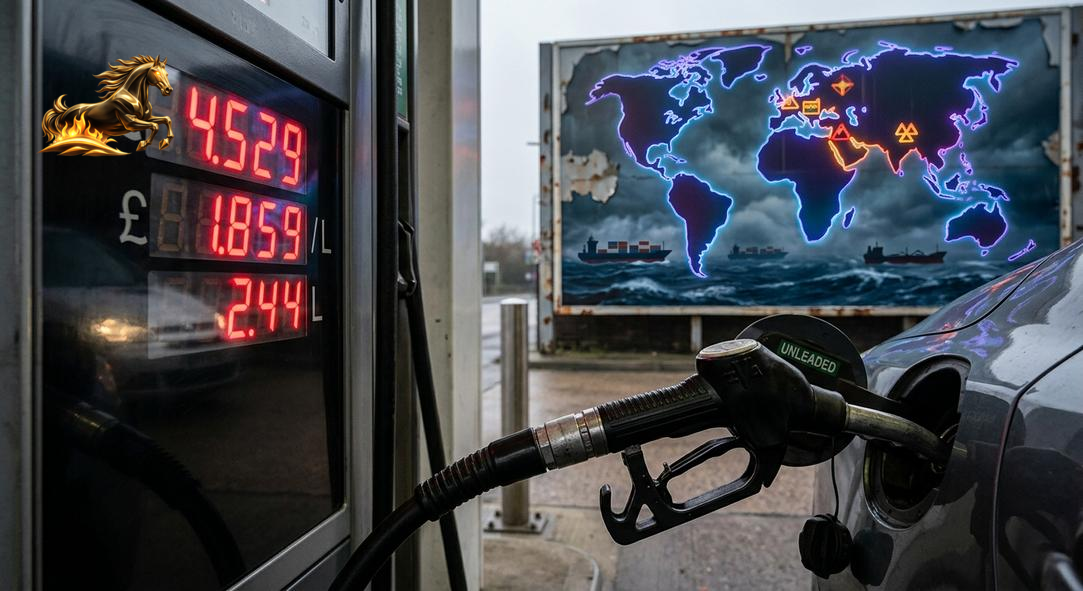
How Geopolitical Tension Drives Up Your Gas Prices
It might surprise you that a conflict thousands of miles away can impact the price you pay at the gas pump within just days. If your local gas station feels a world apart from a war zone, diplomatic dispute, or shipping lane blockage, why does your gas bill still rise?
The answer is simple: crude oil — the raw material for gasoline — is a global commodity. Geopolitical tensions can send shockwaves through energy markets fast. When key oil-producing regions, transit routes, or refineries face instability or threats, oil prices usually jump even before supplies are physically affected. Traders, insurers, refineries, and distributors factor in disruption risks, and those added costs trickle down to you.
In this article, we’ll break down the link between geopolitical tensions and rising gas prices, why markets often react before shortages occur, and how global events hit your local budget.
Quick Summary: Global Conflict = Higher Gas Prices
Here’s the chain reaction in a nutshell:
Geopolitical tension → perceived supply risk → crude oil price surge → higher gasoline wholesale costs → gas pump price hikes → inflationary pressure
Gasoline prices don’t just jump after dramatic headlines. Markets are constantly asking:
Can the world supply enough oil and fuel—on time, on location, and at reasonable prices?
When that answer turns uncertain, prices climb.
Triggers include:
- Conflicts near oil hubs
- Sanctions on major exporters
- Attacks or threats to tankers, pipelines, or refineries
- Shipping lane blockages or vulnerabilities
- Political instability in producer countries
- Production cuts or export restrictions
- Increased insurance and shipping costs
- Currency shifts and speculative trades
Because oil is traded globally, trouble in one region drives prices everywhere. Even top oil producers feel the heat from global price swings.
Bottom line: Geopolitical tensions inject uncertainty about the oil supply, pushing crude and local gas prices upward.
Gasoline’s Roots Begin with Crude Oil
Gasoline is refined from crude oil — the cornerstone of all fuel pricing. Refineries process crude into gasoline, diesel, jet fuel, and more. When crude prices rise, the cost to refine gasoline usually rises too.
The U.S. Energy Information Administration breaks down retail gas prices into:
- Crude oil costs (largest slice)
- Refining fees and profits
- Distribution and marketing expenses
- Taxes (federal, state, local)
Because crude oil’s share is so dominant, surges in oil prices almost always mean pricier gas at the pump.
This explains why what happens in global oil markets matters to every driver, no matter how local their fuel source seems.
Key point: Crude oil prices form the foundation for gasoline costs—tying your local pump directly to the global market.
Why Oil Is Traded on a Global Scale
Crude oil is a globally fungible commodity. Barrels from different countries generally substitute for one another, considering quality and refining needs. Every day, oil crosses borders via tankers, pipelines, rail, and trucks.
Benchmark prices like Brent crude and West Texas Intermediate (WTI) set global price references and influence contracts worldwide.
Even countries with large domestic oil production don’t escape global forces — buyers may turn to different regions if supplies get tight.
Think of global oil supplies as interconnected reservoirs: if one region’s supply lessens, others fill the gap, pushing prices up everywhere.
Takeaway: Oil’s global trade and interchangeability mean geopolitical disruptions anywhere ripple through prices everywhere.
The Geopolitical Risk Premium Explained
A core factor in oil pricing is the geopolitical risk premium—extra cost buyers accept today to hedge against possible future supply interruptions.
This premium reflects what might happen, not just what has happened.
Typical risk triggers:
- Conflict threatening exports from major producers
- Attacks on tankers or critical infrastructure
- Sanctions limiting oil trade
- Chokepoint vulnerabilities in key shipping lanes
Markets are forward-looking, so prices often rise before actual shortages happen, capturing risk and uncertainty costs.
Remember: Gas prices include the cost of potential disruptions, not just actual supply problems.
How Markets Price Risk Ahead of Reality
Oil trading isn’t just about physical barrels—it’s also about futures contracts, which lock in prices for delivery later.
Rising geopolitical tensions shift trader expectations about future supply, pushing up futures prices. This drives spot prices, influences wholesale gasoline costs, refinery purchasing, and eventually fuels hikes at your gas station.
That’s why gas prices can jump seemingly “out of nowhere”—even before any shipment stops.
Insight: Markets anticipate risk well before shortages hit, causing early price jumps.
Why Oil-Producing Regions Matter Most
Geopolitical events close to oil production or transit hubs pack the biggest punch because:
- The Middle East holds key producers and routes like the Strait of Hormuz.
- The Strait of Hormuz alone channels a large chunk of global petroleum, so disruption fears push prices sharply up.
- Other vital corridors include the Red Sea, Suez Canal, Black Sea, and critical pipelines.
Uncertainty around these regions ripples through global markets, boosting risk premiums and prices.
Key fact: Where the tension occurs determines how much prices react.
Shipping Lane Tensions Drive Up Delivery Costs
Oil moves vast distances before it turns into gasoline. Tensions in shipping lanes raise costs by:
- Forcing longer, fuel-hungry detours
- Increasing war-risk insurance premiums
- Disrupting port loading and unloading
Even if crude oil arrives, these added expenses increase the final price.
Bottom line: Shipping risks from geopolitical strife push up crude delivery and fuel prices.
Refining: The Critical Middle Step
Between crude oil and your gas tank is refining—a complex, costly process also vulnerable to geopolitical strains.
Refineries can face:
- Physical threats or damage
- Limitations on certain crude grades from sanctions or supply shifts
- Operational challenges like labor issues and higher input costs
When refining tightens or costs spike, gasoline prices can rise independently of crude prices—a dynamic known as the crack spread.
Takeaway: Refining bottlenecks can amplify gas price hikes amid geopolitical tension.
Why Gas Prices Spike Fast but Drop Slowly
Have you noticed gas prices rocket up after bad news but then fall sluggishly? This “rockets and feathers” effect happens due to:
- Retailers quickly passing on higher expected replacement costs
- Local competition shaping how fast prices adjust
- Timing differences in wholesale deals and deliveries
- State taxes and fuel standards affecting price changes
These factors make gas prices respond asymmetrically—rising fast, falling slowly.
Remember: Gas prices reflect anticipation and logistics more than instant crude cost changes.
Case Study: Russia’s 2022 Invasion of Ukraine
Russia is a heavyweight in energy exports, so its 2022 invasion of Ukraine triggered global fears about supply disruptions, sanctions, and logistics.
Result: Brent crude surpassed $100/barrel, U.S. gas prices hit historic highs.
Contributing factors:
- Supply worries linked to war
- Sanctions and trade challenges
- Refining capacity constraints
- Strong post-pandemic demand
- Inventory shortages
- Inflationary effects
This example shows how geopolitical conflict near crucial regions quickly hikes fuel prices globally.
Case Study: Middle East Tensions and Chokepoint Concerns
The Middle East remains a hotspot because of its dominant oil role and critical transit points.
Even without direct attacks, worries about chokepoints like the Strait of Hormuz cause price spikes due to potential shipment disruptions.
Markets weigh:
- Actual production impacts
- Security of shipping routes
- Ability of other producers to fill gaps
- Availability of emergency reserves
When answers are uncertain, markets price in risk premiums.
How Sanctions Boost Fuel Prices
Sanctions on oil exporters restrict trade and complicate supply, raising costs even if crude barrels keep flowing.
Sanction impacts include:
- Limiting imports and exports
- Restricting shipping and insurance
- Discouraging companies from doing business with sanctioned countries
- Forcing costly rerouting and alternative sourcing
These hurdles add to the geopolitical risk premium baked into prices.
The Role of OPEC and Spare Capacity
Price swings depend on how much spare oil production capacity exists—the volume quickly deployable to offset supply shocks.
Groups like OPEC and OPEC+ manage supply levels via coordinated policies.
- When spare capacity is ample, markets feel safer.
- When it’s tight, even small tensions cause big price jumps.
OPEC’s announcements and decisions heavily influence market expectations.
Why Gas Prices Vary Regionally
Beyond crude oil, local factors impact pump prices, including:
- Nearby refinery capacity
- Pipeline and storage availability
- State and local taxes
- Required fuel blends
- Market competition
- Transportation and distribution costs
Areas relying on imports or prone to refinery outages often see more price swings.
The Inflation Connection
Rising gas prices don’t just pinch drivers—they raise costs across the economy.
Higher fuel costs increase expenses in transportation, farming, manufacturing, and services—leading to price hikes everywhere.
Sustained energy price jumps affect wage demands and consumer spending, boosting overall inflation.
How Drivers Can Manage Fuel Costs
Though geopolitical events are out of your hands, savvy habits help reduce fuel cost pain:
- Track prices and visit cheaper stations
- Drive efficiently: slow acceleration, steady speeds
- Keep tires properly inflated
- Combine errands to cut trips
- Use public transit or carpools when possible
- Maintain your vehicle well
- Consider fuel-efficient cars
While these steps won’t stop price spikes, they stretch your fuel budget.
Wrap-Up: Global Events, Local Impact
Geopolitical tensions affect your gas prices because:
- Gasoline starts with globally traded crude oil.
- Markets price risk ahead of disruptions.
- Conflicts near production, shipping, or refining hubs raise costs.
- Shipping, insurance, refining, and logistics add layers to pricing.
- Local factors cause regional price differences.
- Fuel price changes ripple into broader inflation.
Understanding this chain helps you grasp why faraway conflicts shape your gas costs.
Final Thought
Your gas price reflects a vast, complex global system of oil fields, trade routes, refineries, markets, and geopolitical realities. When that system faces tension, markets react fast—passing risk costs down to you at the pump.
Next time gas prices spike after international crises, remember: it’s the energy market’s way of adapting to global uncertainty.
Key Insight:
Geopolitical risks drive gas prices because oil is a worldwide commodity, subject to supply challenges, market risk premiums, and global trading dynamics far beyond your local station.
