
body {
font-family: -apple-system, BlinkMacSystemFont, “Segoe UI”, Roboto, Oxygen,
Ubuntu, Cantarell, “Open Sans”, “Helvetica Neue”, sans-serif;
color: #222;
line-height: 1.6;
max-width: 720px;
margin: 2rem auto;
padding: 0 1rem;
background: #fff;
}
h1 {
color: #004d40;
font-weight: 800;
font-size: 2.8rem;
margin-bottom: 1rem;
border-bottom: 3px solid #004d40;
padding-bottom: 0.3rem;
}
h2 {
color: #00796b;
border-bottom: 2px solid #00796b;
padding-bottom: 0.3rem;
margin-top: 2.5rem;
margin-bottom: 1rem;
font-weight: 700;
}
h3 {
color: #00695c;
margin-top: 2rem;
margin-bottom: 0.8rem;
font-weight: 600;
}
p {
margin-bottom: 1rem;
font-size: 1.04rem;
}
ul {
margin-left: 1.4rem;
margin-bottom: 1rem;
color: #333;
}
ul li {
margin-bottom: 0.5rem;
}
hr {
border: none;
border-top: 1.5px solid #ccc;
margin: 2rem 0;
}
strong {
color: #004d40;
}
Why Is Brazil Facing a Health Crisis From
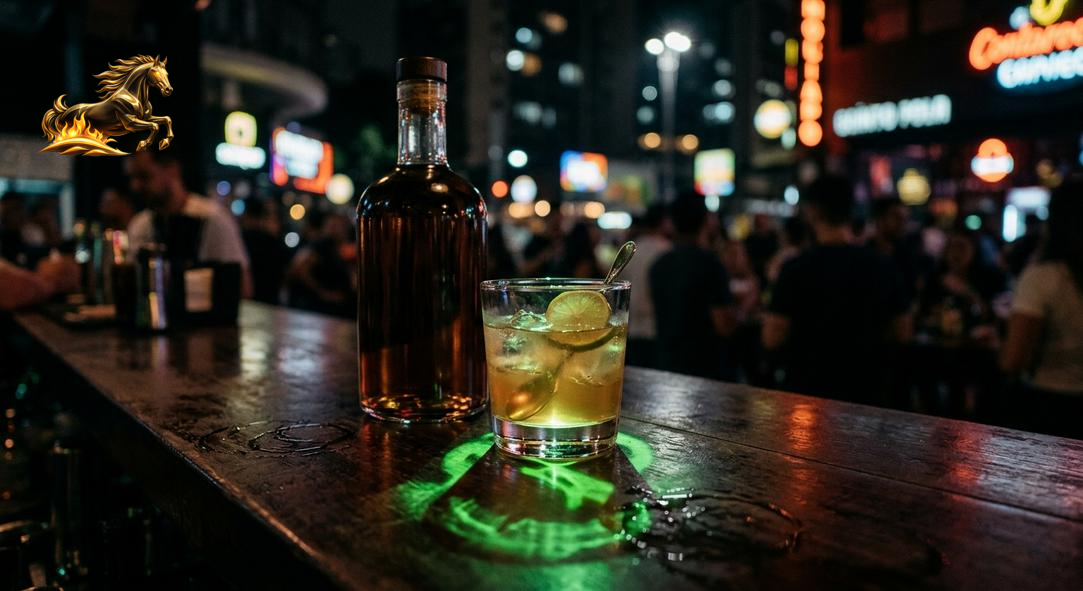
A familiar bottle. A night out turned nightmare. That’s the harsh reality behind Brazil’s alarming health crisis linked to methanol-contaminated alcohol. As cases surge—with victims suffering vision loss, organ damage, and even death—the urgent need to understand and combat this threat has never been clearer.
Methanol, the invisible poison, looks, smells, and tastes just like regular alcohol, making it nearly impossible to spot. Its early symptoms mimic a typical hangover, often delaying crucial treatment. This deadly combination makes Brazil’s methanol poisoning crisis especially hard to control.
In São Paulo alone, over 200 cases have been traced to tainted vodka, gin, cachaça, and other spirits, sparking health warnings and international assistance—including the critical antidote fomepizole. This blog unpacks methanol poisoning, how contaminated alcohol slips into Brazil’s markets, the country’s unique challenges, and what this crisis reveals about global alcohol safety.
What Happened? Understanding Brazil’s Methanol Poisoning Surge
Recently, Brazil has seen a sharp rise in methanol poisoning cases not from homemade brews but from popular commercial spirits consumed at bars, parties, and restaurants. The drinks involved—vodka, gin, cachaça, and other clear liquors—are staples, which made the situation even more dangerous as consumers had no reason to suspect harm.
Investigations in São Paulo linked over 200 illnesses and several fatalities to methanol-laced alcohol. In response, Brazil’s health authorities urged people to avoid alcohol until safe supplies are guaranteed. The arrival of fomepizole from Portugal highlights both the crisis’s severity and the complexity of its medical response.
At its core, a toxic industrial chemical—methanol—has infiltrated mainstream alcoholic beverages, triggering a national health emergency.
What Is Methanol and Why Is It So Dangerous?
Methanol, often confused with ethanol (the alcohol in drinks), is a toxic substance primarily used in industry—solvents, antifreeze, paint removers, fuel, and windshield fluids. Both are clear and odorless, making methanol contamination particularly deceptive.
How Methanol Harms the Body
When ingested, the liver metabolizes methanol into formaldehyde and formic acid—poisonous compounds causing metabolic acidosis that severely damages the brain, optic nerves, and vital organs.
Symptoms of methanol poisoning include:
- Blurred vision or blindness
- Severe headaches
- Nausea and vomiting
- Confusion and seizures
- Breathing difficulties
- Coma or death
Vision loss is a hallmark danger, often permanent. Early symptoms’ resemblance to a hangover masks these dangers, causing many to delay seeking medical help—sometimes fatally.
Why Does Methanol End Up in Alcohol?
Methanol contamination usually arises from:
- Counterfeit Alcohol Production: Illegal spirits mimicking legitimate brands often contain methanol, deceiving even cautious buyers.
- Adulteration to Increase Volume: Some unscrupulous sellers add methanol to stretch or boost alcohol strength illegally.
- Informal Supply Chains: Multiple unregulated intermediaries complicate tracking and enforcement.
- Economic Pressures: High alcohol costs push consumers toward cheaper, riskier illicit products.
Together, these factors create a dangerous environment where methanol-tainted drinks can easily reach consumers.
Brazil’s Unique Vulnerability
Brazil’s vast, diverse alcohol market includes traditional cachaça and imported liquors, often distributed through informal channels. After discontinuation of traceability systems like Sicobe, oversight weakened. Combined with economic inequality, many consumers resort to unverified alcohol sources, amplifying methanol poisoning risks.
The “Hangover Trap”: Why Early Poisoning Signs Are Misleading
Initial methanol poisoning symptoms—headache, dizziness, nausea—mimic a typical hangover, leading to dangerous delays in treatment. Crucially, methanol poisoning causes vision changes, unlike a regular hangover. Recognizing this distinction and seeking prompt care can be life-saving.
How Methanol Poisoning Is Treated
Effective treatment focuses on:
- Blocking methanol’s conversion into deadly toxins
- Correcting acid-base imbalances
- Removing methanol from the bloodstream
Key interventions include:
- Fomepizole: The preferred antidote that blocks toxic metabolism (recently donated to Brazil from Portugal).
- Ethanol therapy: Competes with methanol metabolization but is less ideal.
- Hemodialysis: Removes toxins rapidly in severe cases.
- Supportive care: Managing organ complications and symptoms.
Early medical intervention greatly improves survival.
Protecting Yourself: Consumer Safety Tips
To avoid methanol poisoning, Brazilians and visitors should:
- Buy alcohol only from licensed, reputable sources
- Avoid suspiciously cheap or unlabeled bottles
- Check seals and tax stamps carefully
- Seek immediate medical help if symptoms appear after drinking
Remember, methanol cannot be detected by smell or taste, so caution is essential.
The Role of Businesses and Enforcement
Retailers must source from licensed distributors, maintain thorough purchase records, train staff to spot counterfeit products, and cooperate with authorities promptly to protect consumers.
However, combating counterfeit alcohol is challenging due to:
- Sophisticated forgery and quick criminal adaptation
- Complex, fragmented supply chains
- Public misinformation requiring clear communication
Effective enforcement demands coordination among regulators, police, healthcare, and industry.
Beyond Brazil: A Global Alcohol Safety Concern
Brazil’s methanol poisoning outbreak is a warning echoed worldwide, especially where illicit alcohol markets thrive. Addressing it requires robust monitoring, education, healthcare preparedness, and regulatory enforcement globally.
Moving Forward: Preventing Future Crises
Brazil can reduce risks by:
- Reinstating and strengthening product traceability
- Expanding alcohol testing and market inspections
- Promoting public awareness campaigns
- Securing antidote availability nationwide
- Enhancing law enforcement efforts against counterfeiters
- Supporting the legitimate alcohol industry
These steps build resilience against future methanol crises.
Travelers’ Advisory
Visitors to Brazil or similar regions should:
- Drink only from trustworthy, authorized outlets
- Avoid open or unsealed drinks and unrealistic bargains
- Be alert for symptoms after drinking
- Know local emergency medical contacts
Staying informed ensures safety without spoiling social experiences.
The Power of Information: Saving Lives Through Awareness
Methanol poisoning is a silent killer—indistinguishable by taste or smell, causing blindness and death with delayed symptoms. Public education using simple, clear communication helps consumers recognize risks and seek urgent care.
Key Takeaways
- Methanol-contaminated alcohol is a hidden and lethal threat.
- Early poisoning mimics hangovers, delaying treatment.
- Vision disturbances after drinking require immediate medical attention.
- Counterfeit and adulterated alcohol are at the crisis’s core.
- Strong systems for traceability, enforcement, healthcare, and education are vital.
- Prompt antidotes like fomepizole save lives.
Final Thoughts: A Preventable Crisis
Brazil’s crisis reveals the catastrophic consequences when toxic methanol infiltrates trusted alcoholic beverages. No drinker should face blindness or death from a genuine night out.
With heightened awareness, swift medical action, stricter oversight, and coordinated enforcement, this tragedy can be averted. Sharing knowledge transforms invisible dangers into manageable risks, safeguarding communities everywhere.
