
US Military Strikes in Southern Iran Push Oil
US Military Strikes in Southern Iran Push Oil Prices Higher: What’s Driving the Rapid Energy Market Reaction?
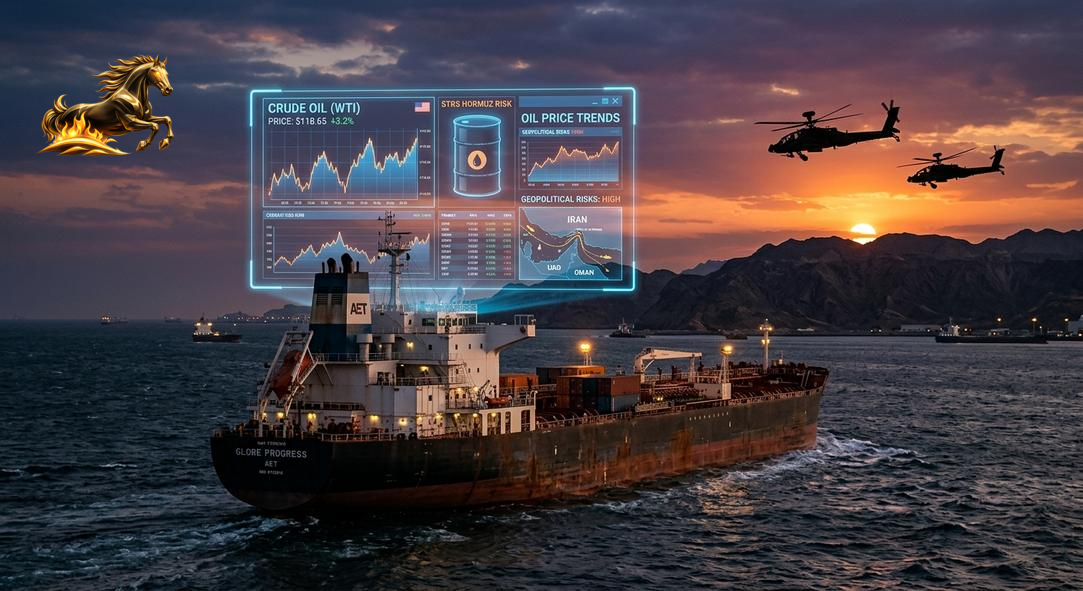
Oil prices aren’t just about supply and demand—they quickly reflect fear, uncertainty, and the looming threat of regional conflicts evolving into global energy crises. That’s why recent U.S. military strikes in southern Iran, close to the vital Strait of Hormuz, sent oil prices soaring almost instantly.
Following a period of optimism around U.S.-Iran diplomacy, these new strikes forced traders to rethink risks. Since the Strait of Hormuz is a crucial chokepoint for global oil shipping, any instability there tends to rapidly drive crude prices up. This article unpacks the latest events, the strategic importance of the Strait of Hormuz, how geopolitics sway oil markets, and what rising prices mean for consumers, businesses, investors, and policymakers.
What Happened? U.S. Strikes Near Hormuz Increase Market Risks Amid Fragile Optimism
Markets reacted quickly after the U.S. military reported “self-defense” strikes in southern Iran, targeting missile launch sites and vessels threatening regional stability and U.S. personnel.
The key oil market concern is location. Southern Iran neighbors the Strait of Hormuz—a narrow passage connecting the Persian Gulf to the Gulf of Oman and key international shipping lanes. Given that a huge volume of the world’s oil exports pass through this corridor, any threat to its security sends immediate jitters through energy markets.
Before these strikes, oil prices had dipped about 7%, buoyed by hope that diplomacy would lower the risk premium priced into crude. But the military actions reversed that trend. Brent crude, the global benchmark, surged as traders shifted back from diplomatic optimism to concern over possible supply disruptions.
Simply put:
- Prior to strikes: Diplomatic optimism eased price risks.
- Post strikes: Rising conflict fears boosted the risk premium.
- Effect: Oil prices climbed sharply.
This pattern typifies how energy markets price in the possibility of future supply shocks well before any actual shortfall materializes.
Why Southern Iran and the Strait of Hormuz Matter So Much to Oil Markets
Southern Iran’s significance comes from its proximity to the Strait of Hormuz, one of the globe’s most important energy chokepoints.
A chokepoint is a narrow maritime corridor critical for oil flow. The Strait of Hormuz, just 21 miles wide at its narrowest, funnels a substantial share of seaborne petroleum from Gulf producers toward global buyers.
Per the U.S. Energy Information Administration (EIA), roughly 20% of the world’s petroleum liquids consumption flows through this passage. Because so much oil passes here, any real or even perceived danger to shipping promptly pushes global energy prices higher.
Key Players Using the Strait of Hormuz
Exporters relying on Hormuz include:
- Saudi Arabia
- Iraq
- Kuwait
- Qatar
- Bahrain
- United Arab Emirates
- Iran
Major importers depending on the route include:
- China
- India
- Japan
- South Korea
- European markets
- Various international buyers
Given these deep interconnections, military incidents near Hormuz ripple across shipping insurance costs, tanker routes, energy futures, inflation outlooks, and currency markets worldwide.
Why Do Military Conflicts Push Oil Prices Up?
Oil markets always look ahead. Traders price in not just today’s supply and demand but also potential disruptions in the near future.
Strikes near vital oil infrastructure or transit points like Hormuz raise several alarms:
- Could production facilities be damaged or halted?
- Might tanker traffic slow, divert, or face attacks?
- Will insurance premiums surge, raising transport costs?
- Could retaliation escalate and threaten wider shipping lanes?
- Might the conflict spread, increasing regional instability?
- Could sanctions or diplomatic failures tighten supply further?
Any of these risks can drive prices up—not necessarily because supply is lost today, but due to a heightened geopolitical risk premium.
Understanding the Geopolitical Risk Premium
This premium reflects how much extra buyers pay to secure oil amid uncertainty. For instance, Brent crude could typically trade near $88 per barrel but jump beyond $95 amid escalating conflict fears.
These premiums fluctuate rapidly as diplomatic talks progress or setbacks occur, meaning price swings often mirror changing risk perceptions rather than immediate supply changes.
The Recent Price Swing: From Diplomacy Hopes to Renewed Uncertainty
Before the U.S. strikes, promises of reconciliation between Washington and Tehran helped push oil prices down by trimming the conflict risk premium.
Following the strikes:
- Brent crude surged over 3%, signaling worries about retaliation and renewed military tension.
- Markets now balance cautious optimism over diplomacy against escalating security risks.
This tug-of-war fuels volatility as traders weigh opposing outcomes and price in both risk and hope.
Why Brent and WTI Respond Differently
- Brent crude reflects international trade and Middle East supply routes, making it more sensitive to Gulf geopolitical events.
- West Texas Intermediate (WTI) mirrors U.S. domestic conditions and may react differently based on local factors.
Thus, Brent remains the key gauge for how conflicts near Hormuz affect prices.
Why the Strait of Hormuz Is the Energy Market’s Achilles’ Heel
The real concern isn’t just the southern Iranian strikes but the risk they pose to Strait of Hormuz stability—the world’s primary oil export gateway.
Key vulnerabilities include:
- Slower or rerouted tanker traffic due to safety fears or naval escorts, tightening shipments.
- Rising insurance costs that translate into higher crude and fuel prices globally.
- Limited alternative export routes leave little room to compensate for disruptions.
- Market psychology: Fear of escalation alone often pushes prices higher.
- Target-rich energy infrastructure near the strait makes attacks plausible, raising risk.
Markets price not only current events but the wide range of possible, adverse outcomes ahead.
What Higher Oil Prices Mean for Consumers
Though crude might feel distant, its price impacts daily life vividly:
Fuel
- Rising crude lifts gasoline and diesel prices, affecting drivers and freight companies.
- Higher diesel costs push up goods transport expenses, ultimately impacting retail prices.
Air Travel
Jet fuel costs drive airline expenses; sustained oil price hikes can lead to fare increases or service reductions.
Food and Goods
Energy plays a vital role in:
- Farming (equipment fuel, fertilizers)
- Distribution and logistics
- Packaging and production
Elevated energy costs ripple through the supply chain, contributing to overall inflation.
Household Budgets
Higher oil prices reduce disposable income and can dampen consumer spending—key for economic growth.
Business Impact: Winners and Losers
Rising oil prices affect sectors unevenly:
Winners
- Energy companies often see higher revenues but navigate volatility and political risk.
Losers
- Transportation firms (airlines, trucking, shipping) face fuel cost pressures squeezing profits.
- Retailers and manufacturers grapple with rising input and logistics expenses, sometimes passing costs to consumers.
What Investors Are Watching
- The risk of conflict escalation.
- Progress in diplomatic negotiations.
- Security and free passage at the Strait of Hormuz.
- OPEC+ production moves responding to price changes.
- Use of strategic petroleum reserves to ease tight supply.
Why Markets Sometimes Seem Mixed Despite Rising Oil
- Oil markets price rising supply risk, boosting prices.
- Stocks juggle gains in energy firms versus strain on other sectors and inflation risks.
- Bonds balance inflation threats with slower growth outlooks.
- Currencies shift with safe-haven demand and commodity price moves.
This explains why rising crude prices can coincide with uneven broader market reactions.
A Historical Pattern: Geopolitics Fueling Oil Price Shocks
- The 1970s crises from embargoes and revolutions triggered massive spikes.
- The 1980s Iran-Iraq war disrupted exports and heightened uncertainty.
- The 1990 Gulf War raised prices amid invasion fears.
- Recent sanctions and attacks continue to jolt markets.
The lesson: markets often react more to risk perception than immediate supply impact.
Could Oil Cross $100 Per Barrel?
Crossing the $100 mark hinges on:
- Escalating conflict near Hormuz
- Attacks on tankers or infrastructure
- Breakdown in diplomacy
- Limited OPEC+ supply response
- Robust global demand
A peaceful resolution or increased production could keep prices in check, but the risk remains.
Global Impact: Asia and Other Major Importers Feel the Pinch
Countries like China, India, Japan, and South Korea depend heavily on Gulf oil passing through Hormuz. Rising transport risks and costs translate into pricier energy, manufacturing, and consumer goods, driving inflation and affecting trade balances and currencies.
Quick Recap for Social Media Videos (Douyin, Xiaohongshu, WeChat)
- What? U.S. military strikes near southern Iran’s strategic Strait of Hormuz.
- Why? Fears over disruption of a key global oil shipping route sent prices up.
- What’s next? Markets watch diplomacy and conflict risks closely.
Suggested Visuals
Maps of Iran, the Strait of Hormuz, Persian Gulf tanker routes; Brent crude price charts; icons connecting oil market shifts to consumer impact. Use calm, informational graphics for clear understanding rather than sensationalism.
How Policymakers Can Respond
- Boost diplomacy to calm tensions
- Strengthen naval security around shipping lanes
- Release strategic oil reserves
- Adjust fuel taxes or subsidies to soften consumer impact
- Monitor inflation to guide monetary policy
Practical Tips for Consumers and Businesses
Consumers: Track fuel prices, plan trips efficiently, and budget for higher energy costs.
Businesses: Review fuel hedging, optimize logistics, communicate transparently with customers.
The Big Picture: Energy Security Remains Crucial
This episode highlights how geopolitical risks near critical choke points like the Strait of Hormuz continue shaping energy markets. Despite the global shift toward renewables, oil still underpins transportation and industry. Stable, affordable energy supplies remain a top priority for governments, companies, and consumers worldwide.
Bottom Line: Why This Oil Price Jump Matters
U.S. military strikes in southern Iran sharply increased geopolitical risks around the Strait of Hormuz, driving oil prices higher. This classic market reaction underscores that geopolitical risk—not just immediate supply losses—triggers price swings.
- The Strait of Hormuz is a vital global oil chokepoint.
- Rising oil prices impact fuel costs, inflation, and economic growth.
- Markets are volatile, balancing diplomatic hopes with conflict fears.
Energy markets now watch closely, as the fragile balance between diplomacy and conflict risk continues to unfold, emphasizing the critical importance of global energy security.
